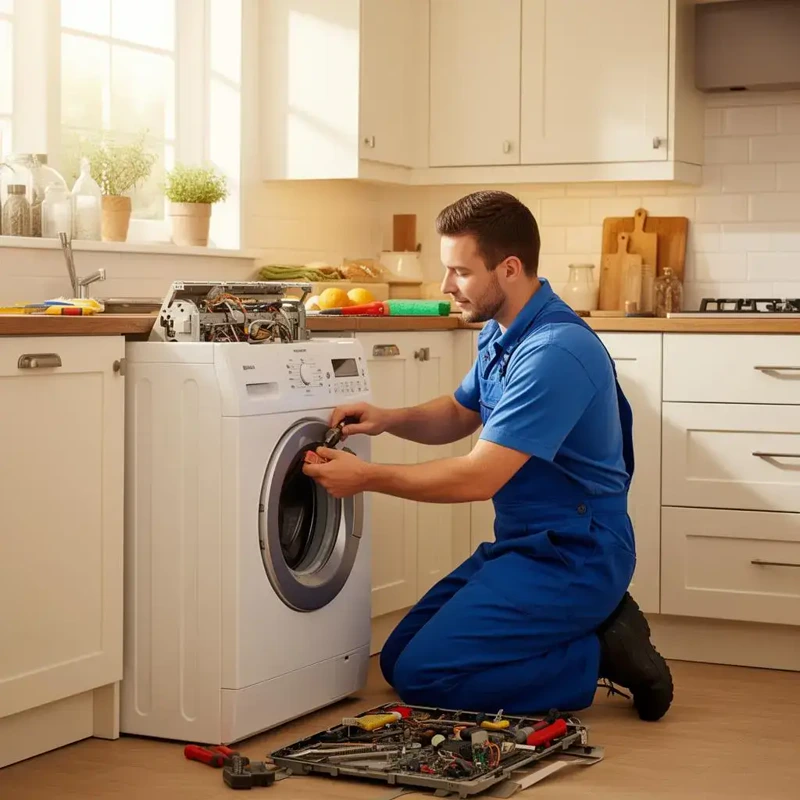

We work on appliances all over Phoenix and the towns around it, including Glendale, Youngtown, Paradise Valley, El Mirage, Peoria, Tolleson and Scottsdale. An appliance does not break down on a schedule, and it does not care what zip code it sits in. A fridge can stop cooling in the middle of summer in Peoria just as easily as it can in a kitchen in central Phoenix. Because of that, our technicians cover a wide stretch of the West Valley rather than sticking close to one neighborhood. If you have a dryer that quit heating, a fridge running warm, or a dishwasher leaving dishes dirty, we treat the call the same way no matter which of these towns it comes from. The goal is simple: get eyes on the machine and figure out what is actually going wrong.
Appliance repair works differently than something like a car breakdown. Your dryer or fridge is not going anywhere, so the technician comes to where the appliance already lives. That means no loading anything into a truck, no finding a way to haul a dishwasher across town. All you need to do is be home when the technician arrives so they can get access to the unit and hear directly from you what has been happening. Maybe the dryer is taking three cycles to dry a towel. Maybe the fridge hums loud then goes quiet, or the ice maker stopped filling the tray. Telling us what you noticed, and when it started, gives the technician a head start before they even open the panel.

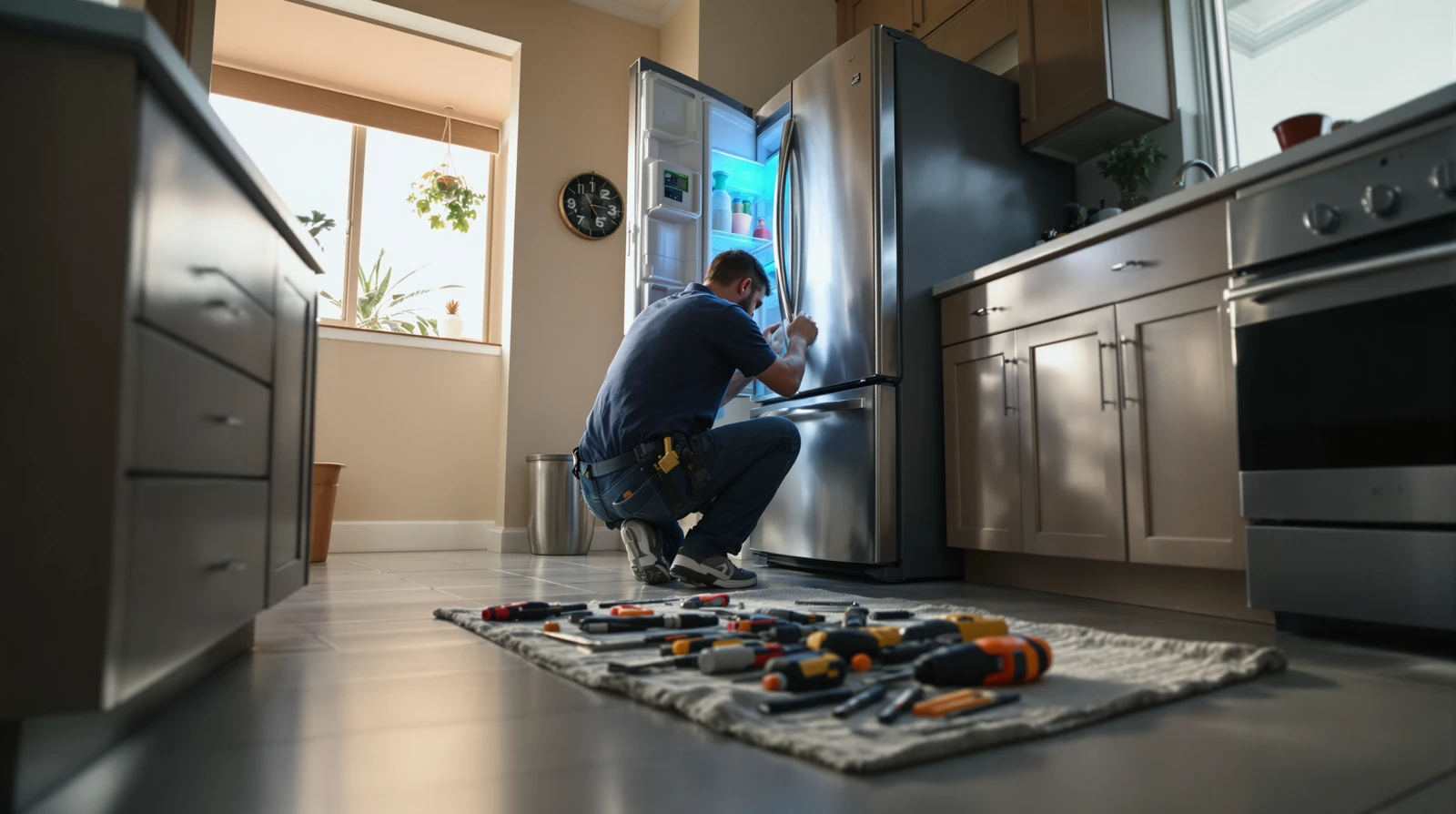
Calls from Glendale and Peoria tend to follow a pattern we see across most of Phoenix: dryers that stop heating or take forever to finish a load, and fridges that either run too warm or won't stop running at all. Both of those point to specific parts. A dryer not heating is often a heating element or a blown thermal fuse. A fridge running constantly can mean a dirty condenser coil or a failing fan. In Scottsdale and Paradise Valley, we hear a lot of the same core issues plus a steady stream of oven and ice maker calls. An oven that won't hold its set temperature usually points to a bad igniter or a sensor that is reading wrong. An ice maker that stopped producing could be a clogged water line or a switch that failed.
Smaller communities nearby, like Youngtown, El Mirage and Tolleson, get the same attention and the same coverage as the bigger cities on this list. Distance between towns in this part of the Valley is not usually a reason we can't make it out. What helps most is simply telling us your city when you call, since that lets us plan the route and know roughly how long the drive will take. These towns see a mix of everything: dryers that squeal or thump during a cycle, dishwashers that leave a film on glasses, microwaves that hum but never actually heat food. None of that is unusual, and it is the kind of thing a technician can look at once they are standing in front of the machine.
The appliances themselves do not change much from house to house, but the way people notice problems does. Some people catch a dryer making a new noise right away. Others only notice once clothes come out damp three cycles in a row. Either way, those details matter. A clicking sound from a fridge compressor is different from a buzzing fan, and a dishwasher that hums without spraying water points somewhere different than one that fills but never drains. When you call from any of these towns, walking through what you have seen or heard helps the technician bring the right tools and expect the right kind of repair, whether that is on an oven, a range, a microwave or an ice maker.
No matter which of these towns you are in, from Phoenix itself out to Youngtown or Tolleson, the process we follow stays the same. You tell us what the appliance is doing, or not doing, and where you are located. From there we send a technician out to take a direct look at the dryer, fridge, dishwasher, oven, microwave or ice maker in question. Appliances are mechanical, and mechanical problems usually leave some kind of clue, whether that is a smell, a sound, a leak or a light that won't turn on. Our job once we're in your home is to track that clue back to its source and explain what we find in plain terms before any repair moves forward.