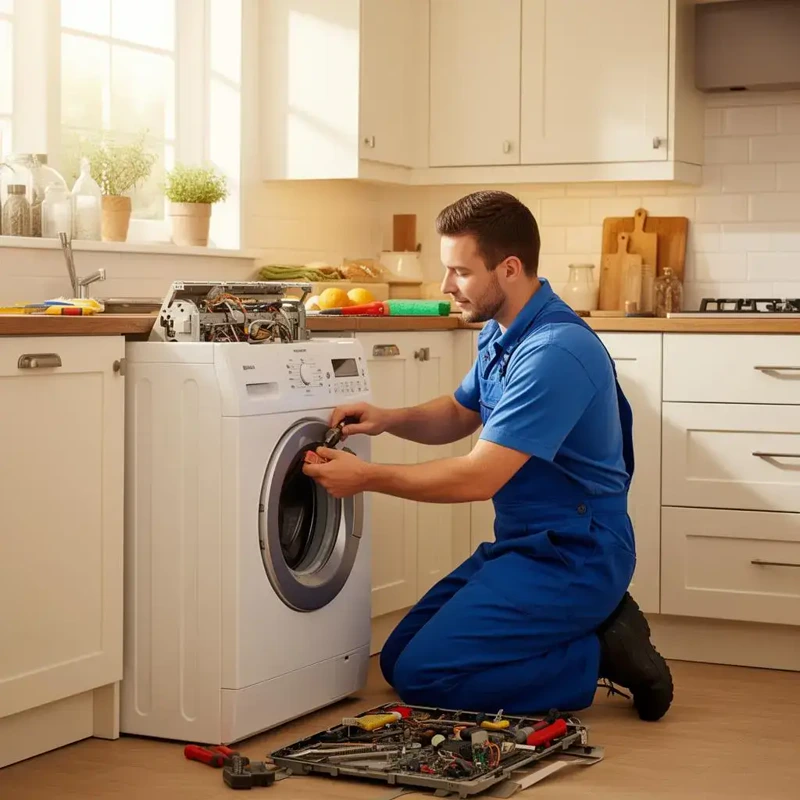
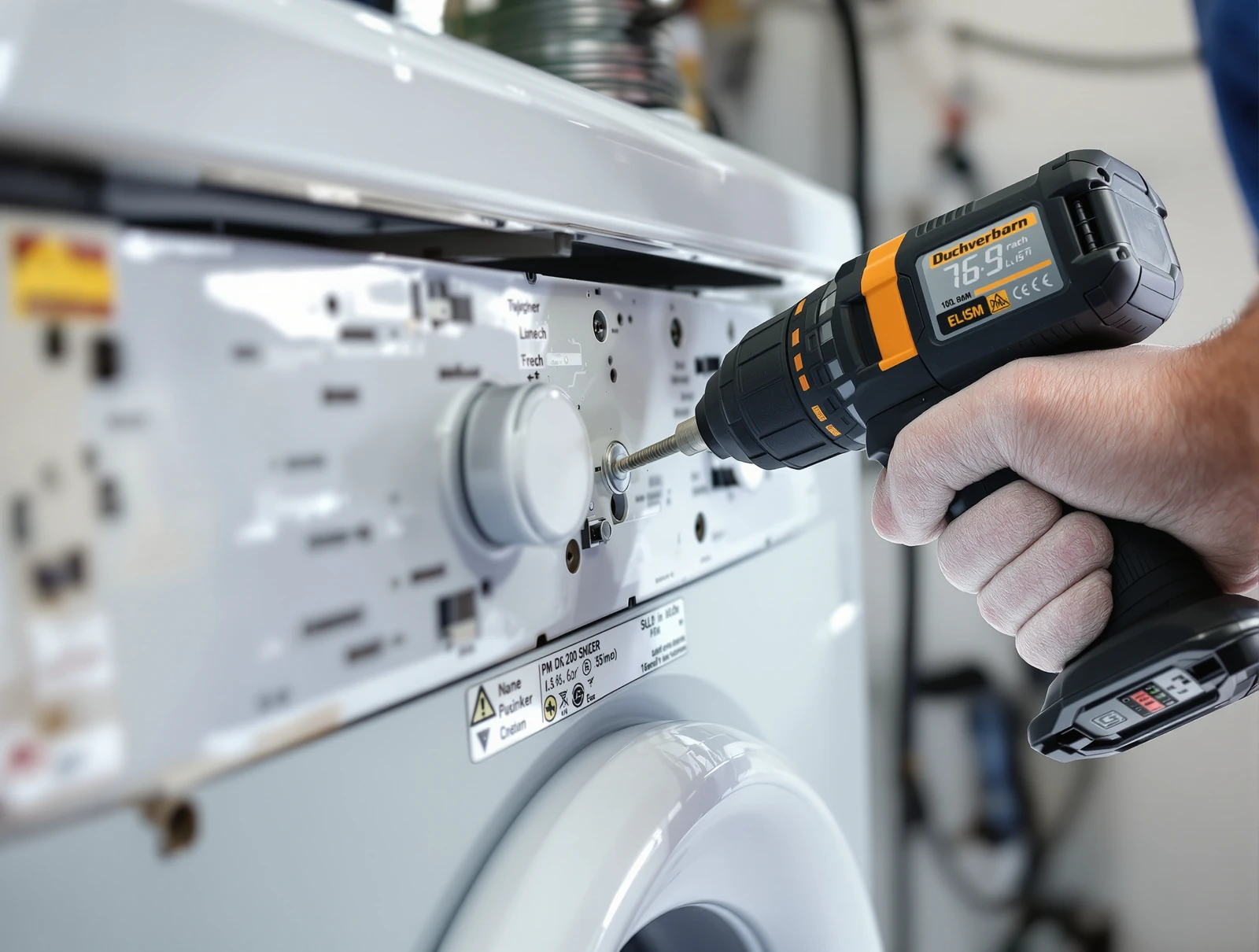
Dishwasher repair covers any machine that has stopped cleaning, draining, or filling the way it should. That includes built in units under the counter and portable dishwashers that roll up to the sink, and it covers kitchens all over Phoenix where one of these machines has started acting up. The complaint might be dishes coming out dirty, water left standing in the tub, or a leak that shows up on the floor every time the cycle runs. A lot of people put up with the problem for a while, rewashing glasses by hand or running the cycle twice, before they decide the machine needs a real look. By the time we get the call, the workaround has usually gotten old.
Signs It Is Time For This Service
- Dishes still dirty or cloudy after a full cycle
- Water pooling at the bottom after it finishes
- Dishwasher won't fill or won't drain
- Loud grinding or banging during the wash
- Leaking onto the kitchen floor
- Door won't latch or cycle won't start
The signs that push someone to finally pick up the phone are pretty consistent. Dishes coming out still dirty or covered in a cloudy film is a big one, along with water sitting in the bottom of the tub after the cycle says it's done. A leak on the kitchen floor is another common trigger, especially if it shows up every single wash instead of once in a while. Some machines won't even start or won't fill with water at all, which points to a different kind of failure than a simple cleaning problem. A grinding noise during the wash is its own red flag, since that usually means something mechanical is wearing down or stuck instead of just dirty.
Before we recommend any fix we want the full picture of what the dishwasher is actually doing. We ask whether it fills with water at all, whether the noise or leak happens the whole cycle or only part of it, and when the problem first showed up. From there we check the spray arms for clogs, the drain pump for wear, the float switch that tells the machine how much water to let in, and the door seal that keeps water from escaping during the wash. A surprising number of dirty dish complaints come down to something simple, like a clogged spray arm or a dirty filter, rather than a part that has actually failed. Starting with the simple stuff saves time and avoids replacing parts that were never the problem.

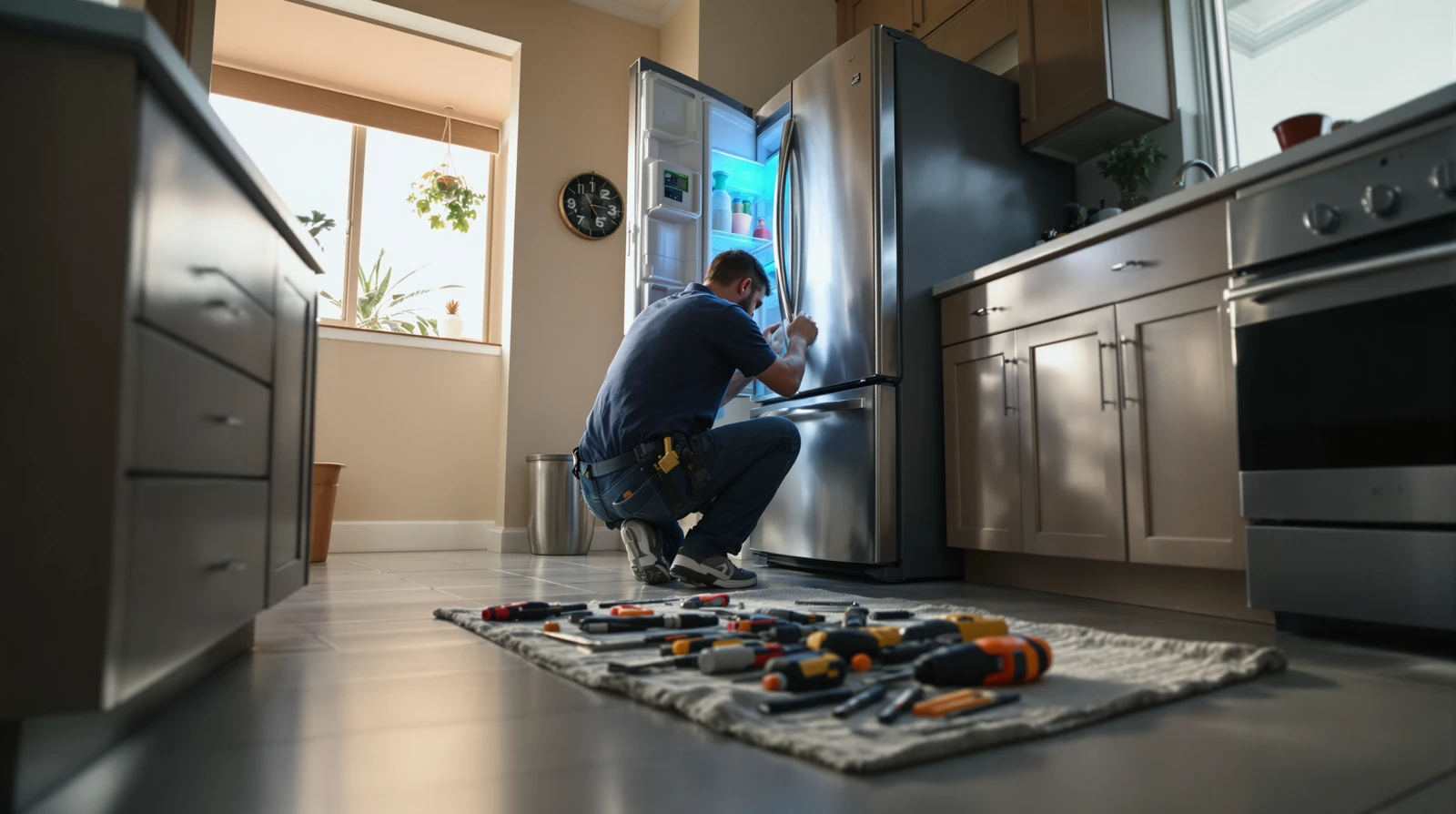
The actual repair work usually starts at the bottom of the machine. We pull the lower rack and check the filter and spray arms for buildup, since food debris clogging those parts is the most common reason dishes come out dirty or filmy. If water is not filling or draining the way it should, we test the drain pump and the float switch, since either one failing can stop the cycle from working right. A leak sends us to the door seal and the latch first, since a worn or misaligned seal is the usual culprit. Once we've replaced whatever part is causing the problem, we run a full cycle on the machine to confirm it fills, washes, drains, and shuts off the way it's supposed to before we call the job done.
What changes the size and length of the job comes down to which part turns out to be the problem. A clogged filter or a dirty spray arm is about as simple as this repair gets, since it's mostly cleaning rather than replacing anything. A failed drain pump, a bad water inlet valve, or a control board that's stopped working right is a bigger job, since those parts take more time to diagnose correctly and more time to swap in. Leaks are their own category of tricky, because the source isn't always obvious. Sometimes it's just the door seal wearing out, but other times it traces back to a cracked tub or a damaged hose, and that difference changes how much work the repair actually involves.
If you're dealing with a fridge style buildup of grime or just a dishwasher that's acting off, a little troubleshooting before the appointment can help. Skip running the dishwasher at all if it's actively leaking, since water pooling under the machine can damage the cabinet or the kitchen floor underneath it over time. Pull out the bottom filter and give it a real cleaning if you can't remember the last time you did, since a clogged filter is an easy thing to rule out yourself. If there's any dripping happening, keep a towel down near the base of the machine until the repair gets done, just to protect the floor in the meantime.
Dishwashers get taken for granted until they stop pulling their weight, and most households don't have a backup plan for hand washing every plate and pan for days. We work on these machines across Phoenix and nearby, including Glendale, Peoria, and Scottsdale, so a dishwasher that's leaking, not draining, or making a strange noise during the cycle doesn't have to turn into a permanent hand washing station. Call 602-580-6745 to talk through what the machine is doing and figure out next steps. Catching a worn seal or a clogged spray arm early on can keep a small problem from turning into a bigger one involving the pump or the control board down the line.
What to Tell Us When You Call
- The brand and roughly how old the dishwasher is
- What it's doing, dirty dishes, leaking, noise, or not starting
- Whether the problem happens every cycle or just sometimes
- If there's any visible water or damage near the base
