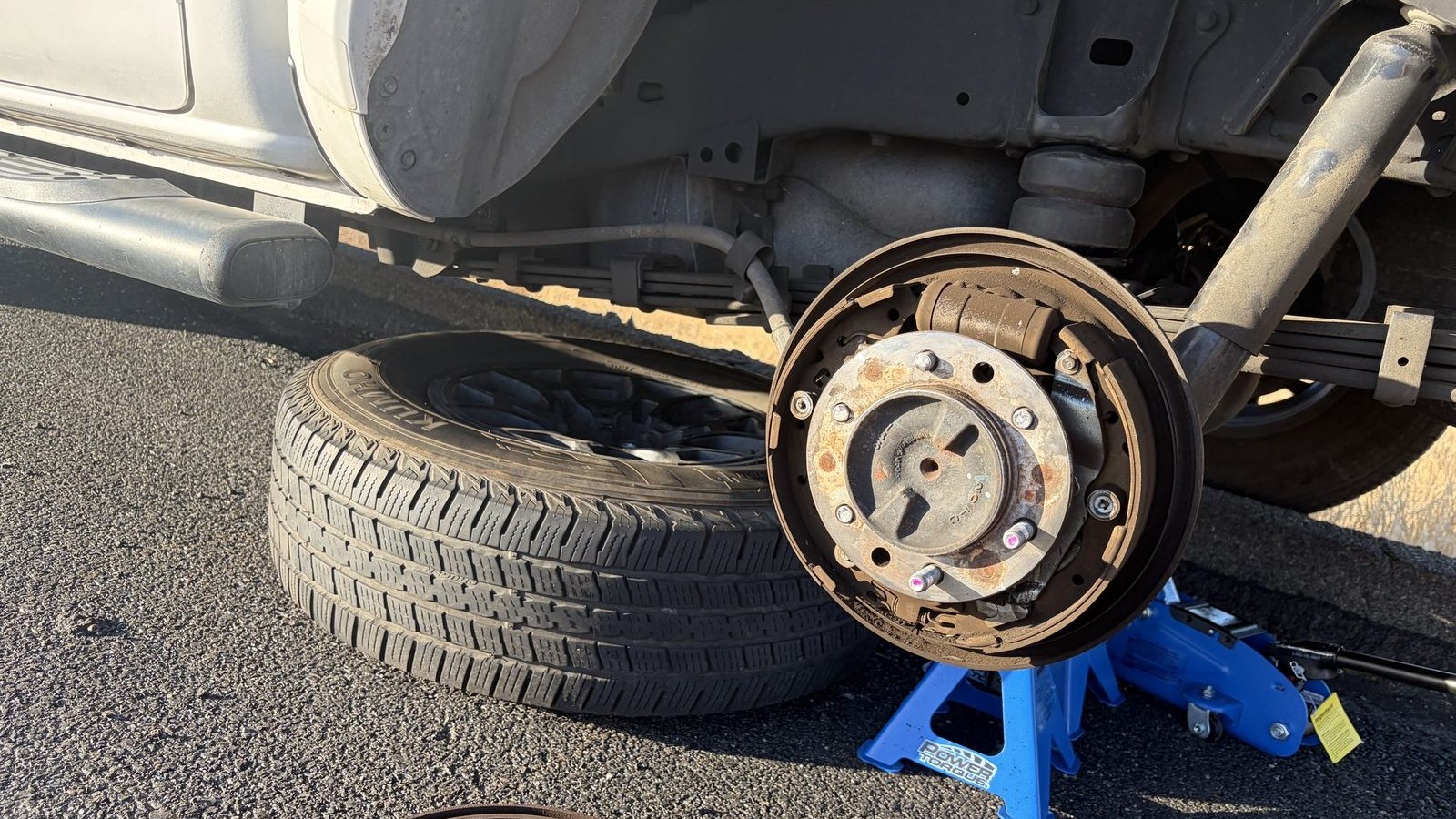
Most calls we get from Kyle drivers start the same way. The car clicks but won't crank, or the battery just gives up on a cold morning. Some folks notice a dash light that wasn't there the night before. Others describe a grinding noise that started on the drive to work and got louder by the afternoon. We also hear about brakes that squeal at every stop sign, or a shimmy in the steering wheel that showed up out of nowhere. Every one of these is a clue, not just an annoyance. A click without a crank usually points to the battery or starter. A grinding noise under braking often means the pads are gone. We start every call by talking through what the car is actually doing right now, not by guessing over the phone.
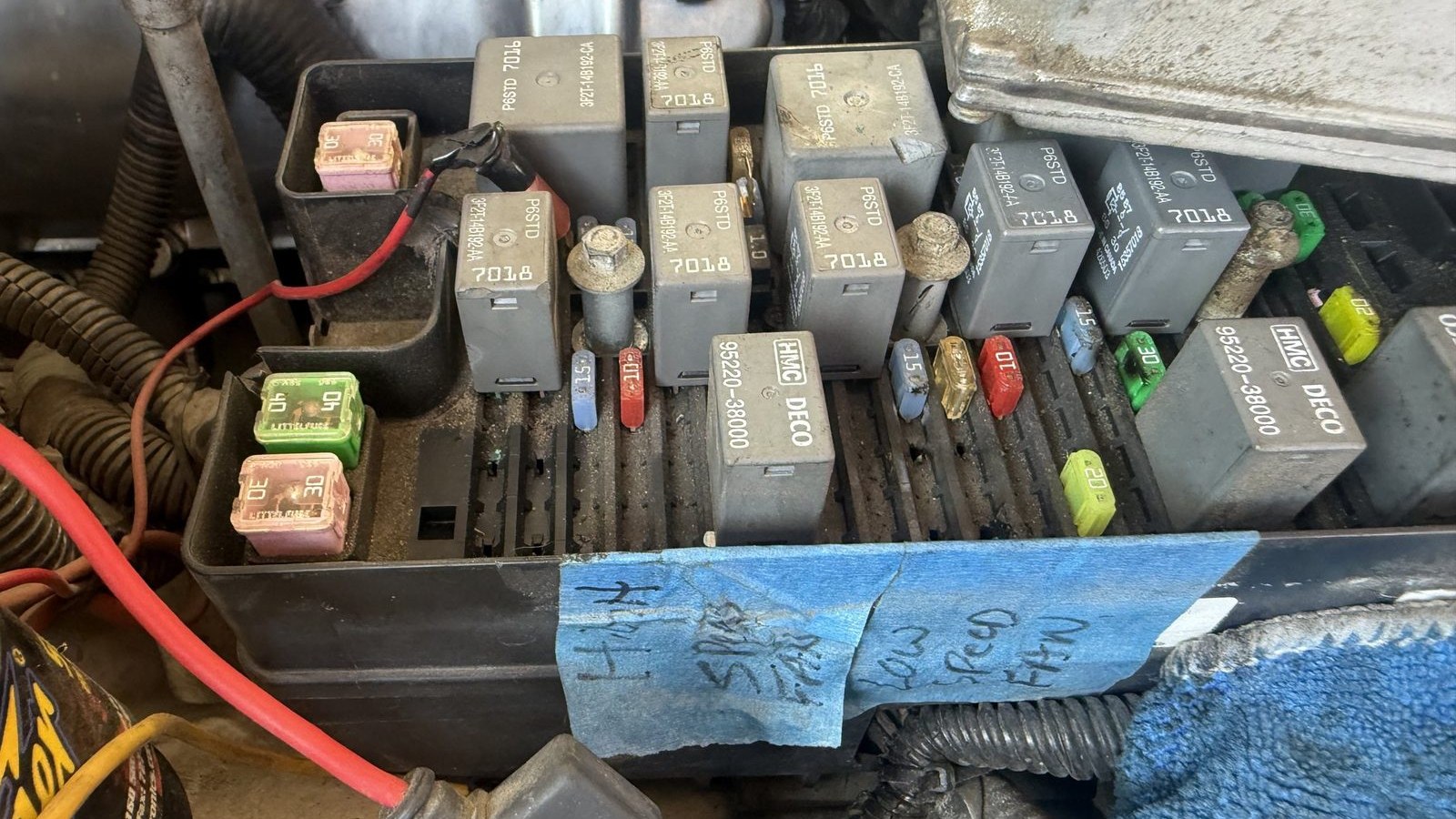
The work we handle most often in Kyle falls into four categories: brakes, diagnostics, no-start calls, and suspension. Brake jobs usually mean pads and rotors that have worn down past the point of ignoring, often announced by squealing or a soft, grinding feel when you press the pedal. Diagnostics cover everything from a check engine light to a noise nobody in the house can identify yet. These jobs mean hooking up a scanner and tracing the problem back to its source. No-start calls are their own category, often a dead battery, a failing starter, or a wiring issue hiding somewhere under the hood. Suspension work tends to show up as a ride that feels loose, bouncy, or like it is wandering slightly on the highway, usually traced back to worn bushings or tired struts.
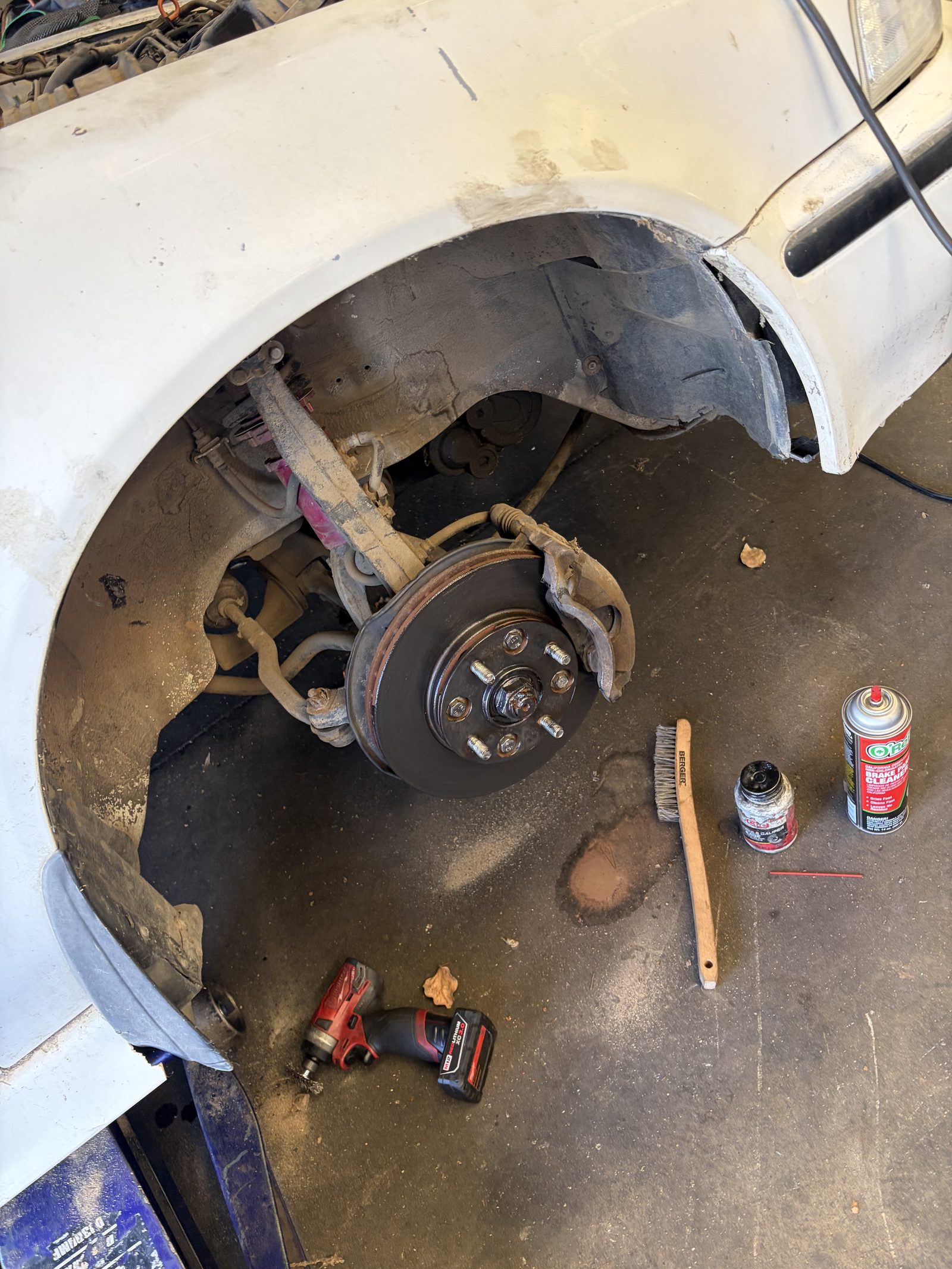
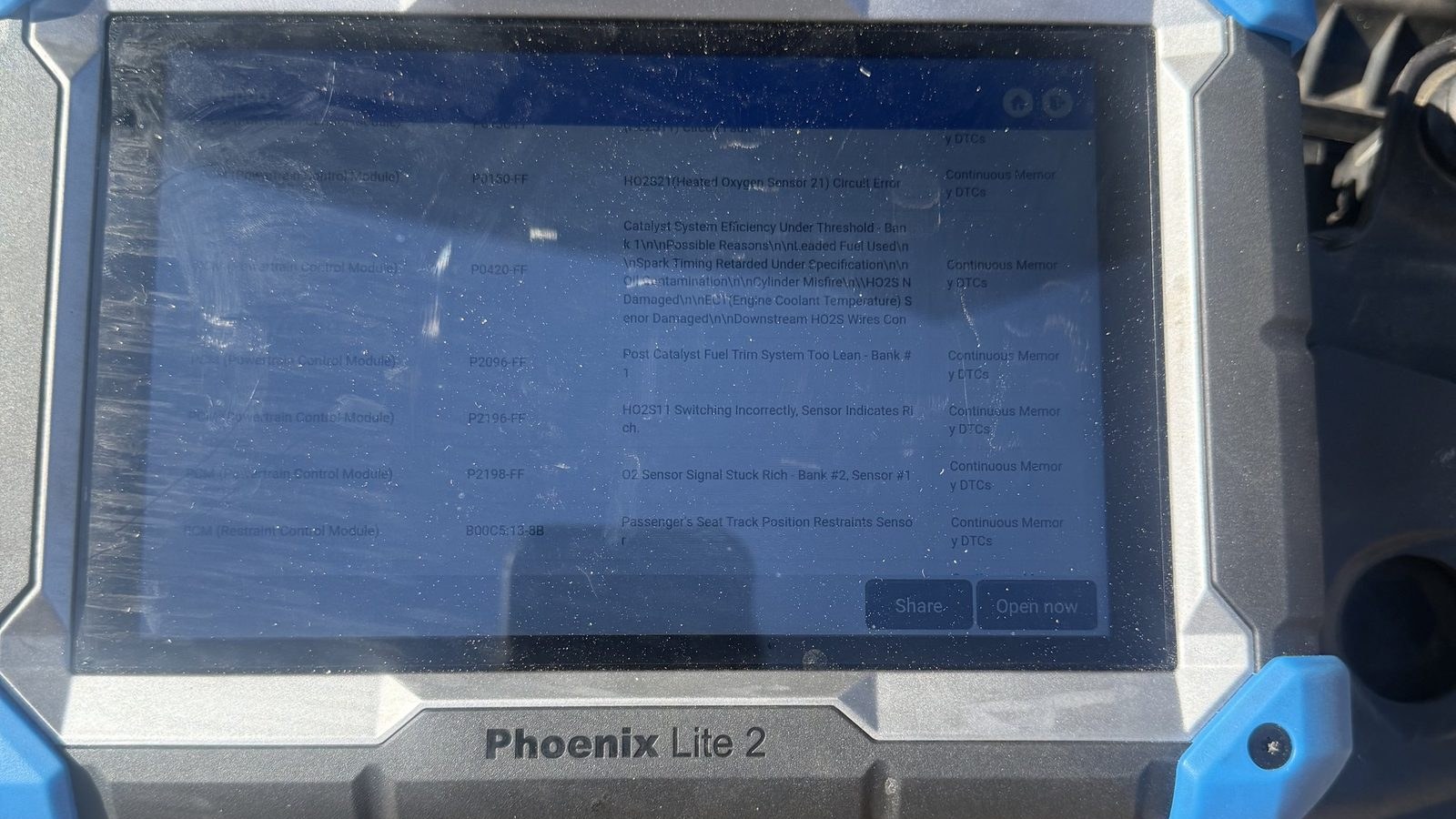
We meet drivers where the car actually is, which is the whole point of calling a mobile mechanic instead of booking a shop visit. That might be your driveway in Kyle, a parking lot at work, or the shoulder of a road if the car died halfway through a trip. You do not need to arrange a tow truck or beg a ride to a shop just to get looked at. We bring the tools and parts knowledge needed to diagnose and fix most issues right where the vehicle sits. For a car that will not start at all, that matters more than people expect, since towing a dead car is its own hassle on top of the original problem.
A typical job starts with a call or text describing what is going on. We ask what the car is doing, when the problem started, and where the vehicle is currently parked. From there we set a time to come take a look in person. Once we are on site, we walk through what we find before any work begins, so you know what you are dealing with and why. A grinding noise might turn out to be brake pads worn to metal, or it could be something in the suspension. A no-start could be a simple battery swap or something deeper in the electrical system. After you give the go ahead, we get to work right there and let you know once the car is back in shape.
When you reach out, it helps to have a few basics ready. The year, make, and model of the car matter, along with the address or general location where it is parked. Let us know exactly what you noticed, whether that is a strange noise, a warning light on the dash, or a car that will not start no matter what you try. If the issue has a pattern, like the grinding only happens when you brake going downhill, or the car only fails to start after sitting overnight, mention that too. The more detail you give us up front, the better we can plan tools and parts for the visit, which keeps the whole process moving smoother once we arrive.
Drivers across Kyle and the surrounding area call us because they would rather have the mechanic come to them than deal with towing a car that cannot move under its own power. It saves a step when the problem is something we can diagnose or repair right on site, whether that is in a driveway, an office parking lot, or wherever the car happens to be stuck. For brake wear that has gone past the squealing stage, electrical gremlins that only show up sometimes, or a car that is just dead where it sits, we come to the vehicle instead of asking you to figure out how to get it to us.
We also hear from people outside Kyle proper, in towns like Mountain City, Buda, Uhland, Niederwald, Hays, San Marcos, and Creedmoor. The same approach applies no matter where the car is parked. A dead battery in a driveway, a grinding sound on a back road, or a suspension that feels loose on a highway on-ramp all get the same process: a conversation about symptoms, a visit to look at the car in person, and a clear explanation of what is wrong before any repair starts. Car trouble rarely waits for a convenient time or a convenient location, so we built the work around meeting the vehicle wherever it ends up.
 Supercanic