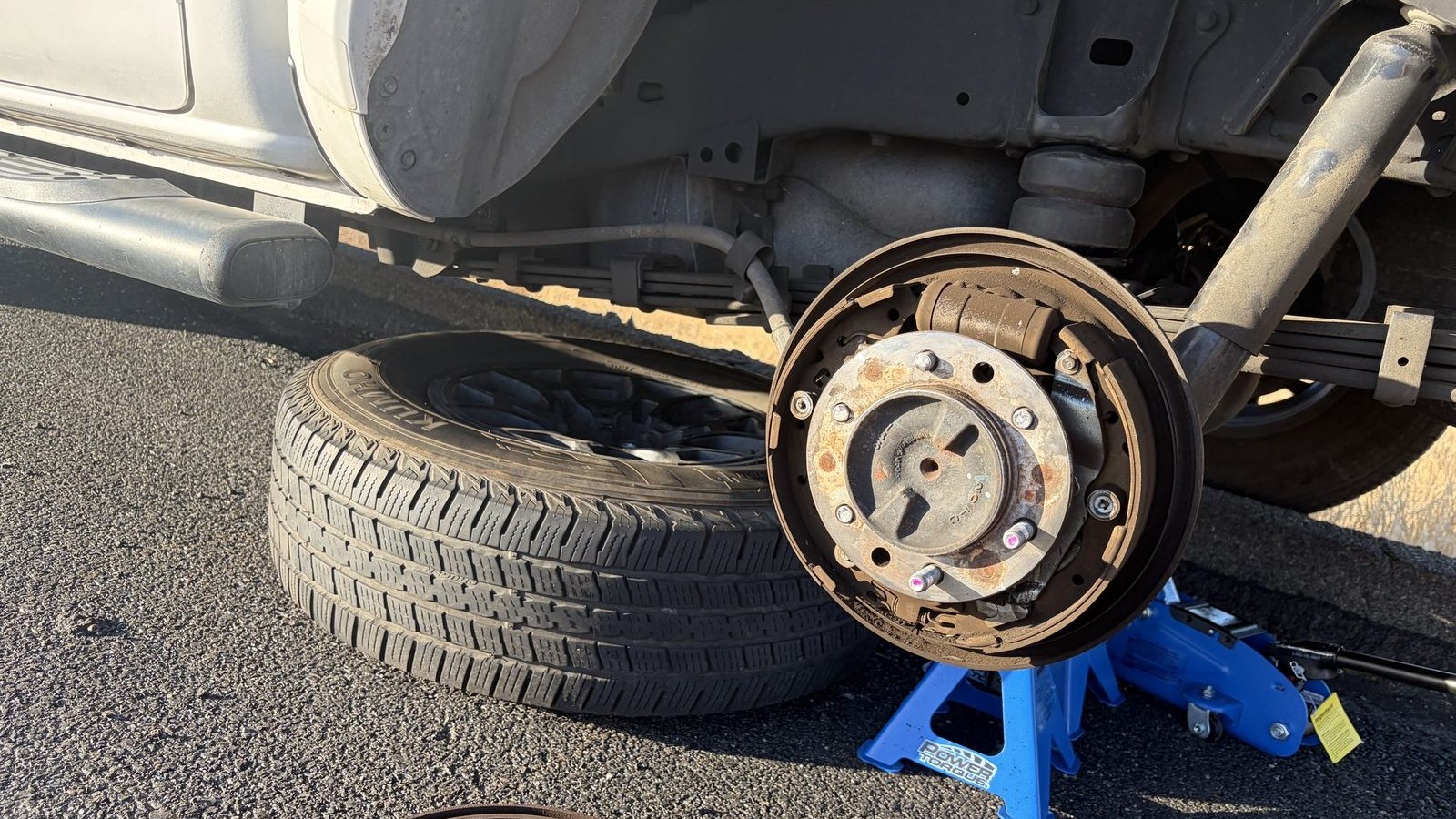
Out in Niederwald, the calls we get most are about no-start trucks, grinding brakes, and that vague clunking from the front end that shows up on rough roads. A lot of vehicles out here see gravel and dirt roads regularly, and that kind of driving wears on suspension parts a lot faster than straight city miles. Bushings dry out, ball joints wear loose, and shocks lose their grip on the bounce sooner than they would on smooth pavement. We also get calls from folks whose car just won't turn over one morning with no warning the night before. Those are usually battery, starter, or connection issues, and they're quick to check once we're on site. A weak battery often gives small clues first, like slow cranking or dim headlights, before it quits for good.
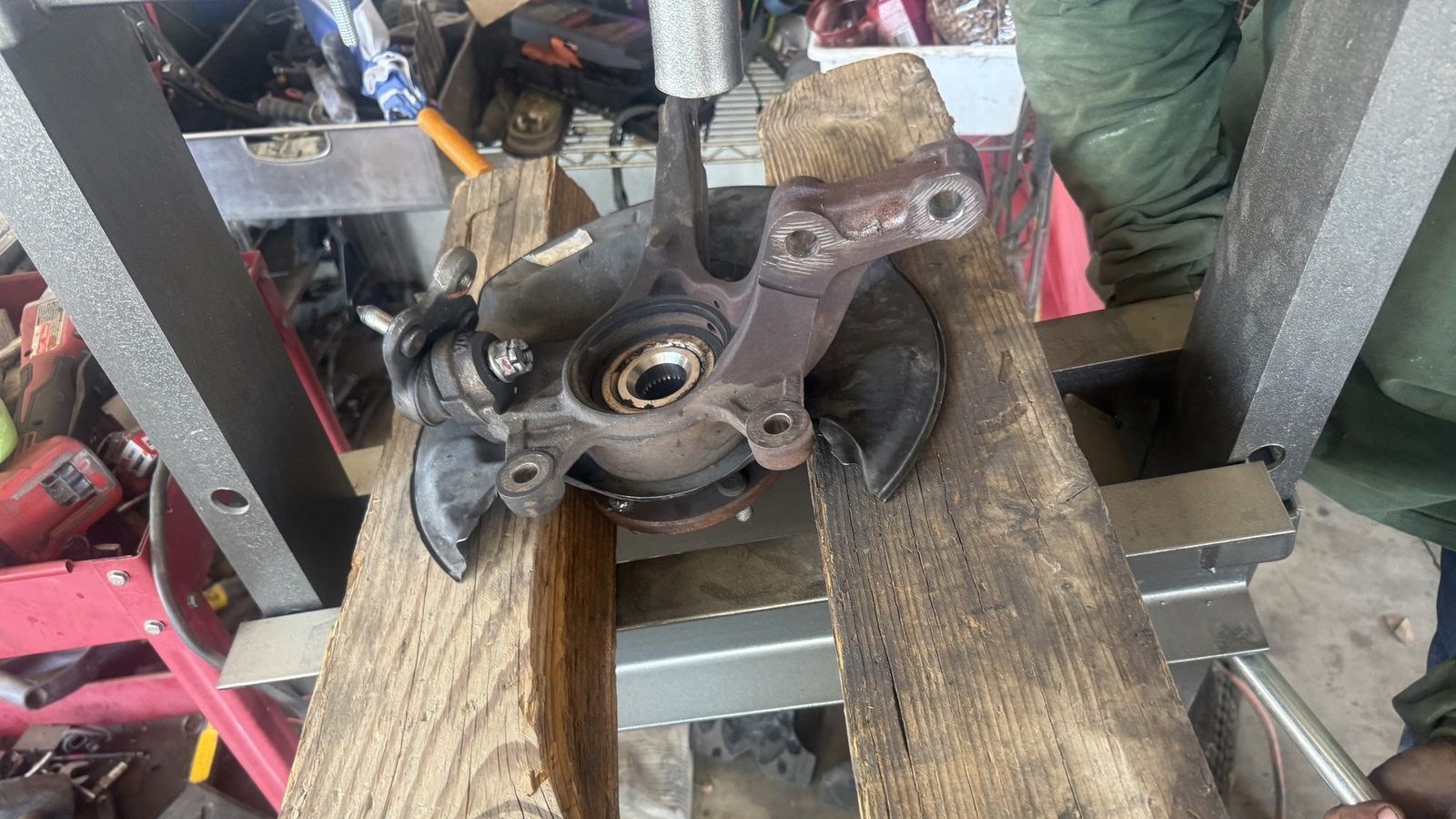
Brakes, diagnostics, and suspension work make up most of what we do in Niederwald. If your pedal feels soft or sinks lower than it used to, that can point to air in the lines or a brake fluid leak somewhere in the system. A car pulling to one side when you brake usually means uneven wear or a caliper that's sticking. Suspension complaints usually come in as noise first, a clunk or rattle over bumps, before they turn into a harder ride or tires that wear unevenly on the edges. Catching it early with a proper diagnostic saves a bigger bill down the road, since a worn part left alone tends to speed up wear on whatever is next to it.
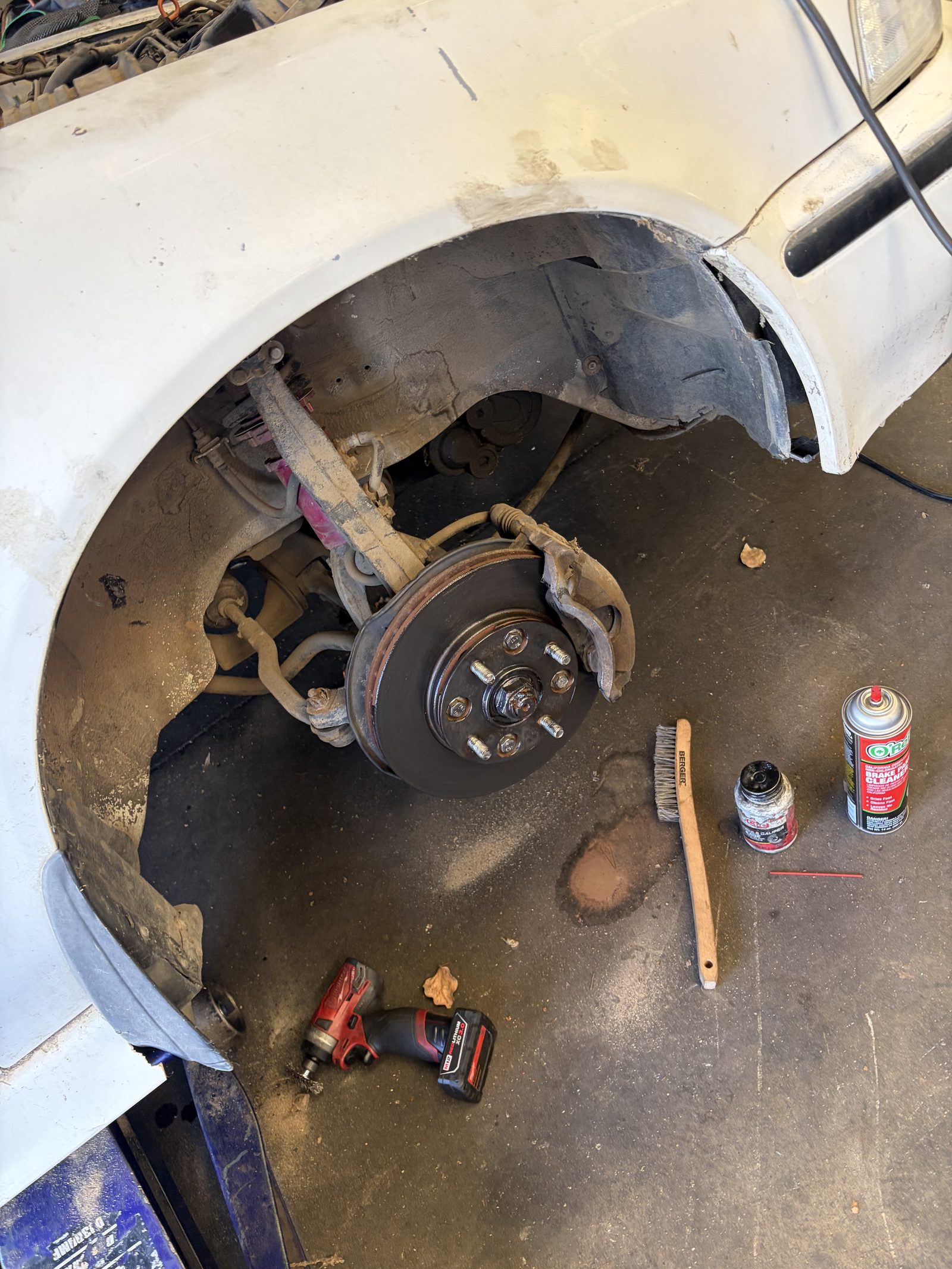
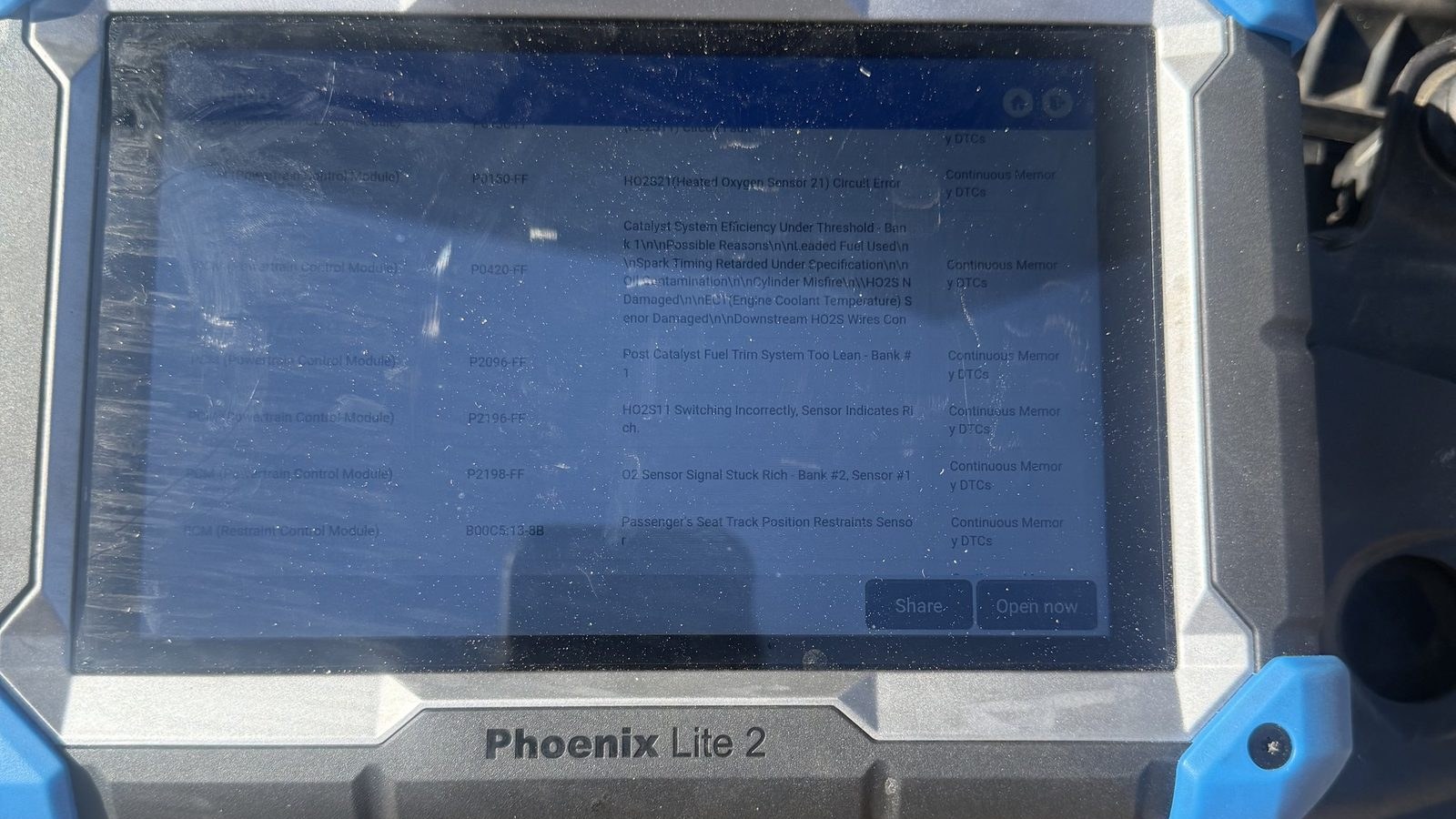
Since Niederwald doesn't have a shop on every corner, we meet drivers where their car actually is. That might be your driveway, your workplace parking lot, or the side of the road if the car died on you mid trip. There's no need to figure out how to get a non-running vehicle anywhere, which matters most with a no-start situation since those cars usually can't be driven at all. We bring the tools and parts we expect to need based on what you describe, and we work right there in the spot where the car sits, whether that's gravel, grass, or a paved driveway.
Getting started is simple. You call and describe what's going on with the car, whether that's a grinding sound, a dead battery, or something that just feels off in the steering or ride. We talk through the symptoms, ask a few follow up questions about when it happens and how long it's been going on, and figure out what the visit will likely involve before we head to your location. Once there, we run diagnostics if the issue isn't obvious from a visual check, show you what we find, and walk you through what's causing it before getting into the repair. That way you know what's wrong with your car and why, not just that something was fixed.
When you reach out, have the basics ready: year, make, model, and what the car is doing. Say exactly when the noise happens, like only when braking, only over bumps, or anytime the engine is running, since that timing tells us a lot before we even see the car. A grinding noise that only shows up under braking usually points to worn pads, while a clunk over bumps points toward suspension. A no-start with a clicking sound is different from one with total silence, and both point us in a different direction. The more specific you are, the better we can prepare before we even leave for Niederwald, which usually means fewer surprises once we arrive and get started.
Drivers around Niederwald choose us because distance to a shop is a real problem out here, and a mobile mechanic solves it directly. We already cover this area along with nearby towns, so a call from Niederwald isn't out of our way for us. For brakes, suspension, or a truck that won't start, having the repair come to you beats arranging a tow to a shop you'd then have to get to yourself. That's two trips and two headaches solved by one visit instead.
A lot of what we see out here comes down to the roads themselves. Gravel and dirt kick up dust that works into brake components over time, and washboard sections rattle suspension bolts and bushings loose faster than smooth highway driving ever would. If your car has been handling rougher roads regularly, it's worth paying attention to new noises instead of waiting for them to go away, because they usually don't. A clunk that shows up once and disappears can still mean a part is on its way out. Whether it's brakes, suspension, or a no-start that caught you off guard, getting it looked at while the symptom is small tends to keep the repair small too.
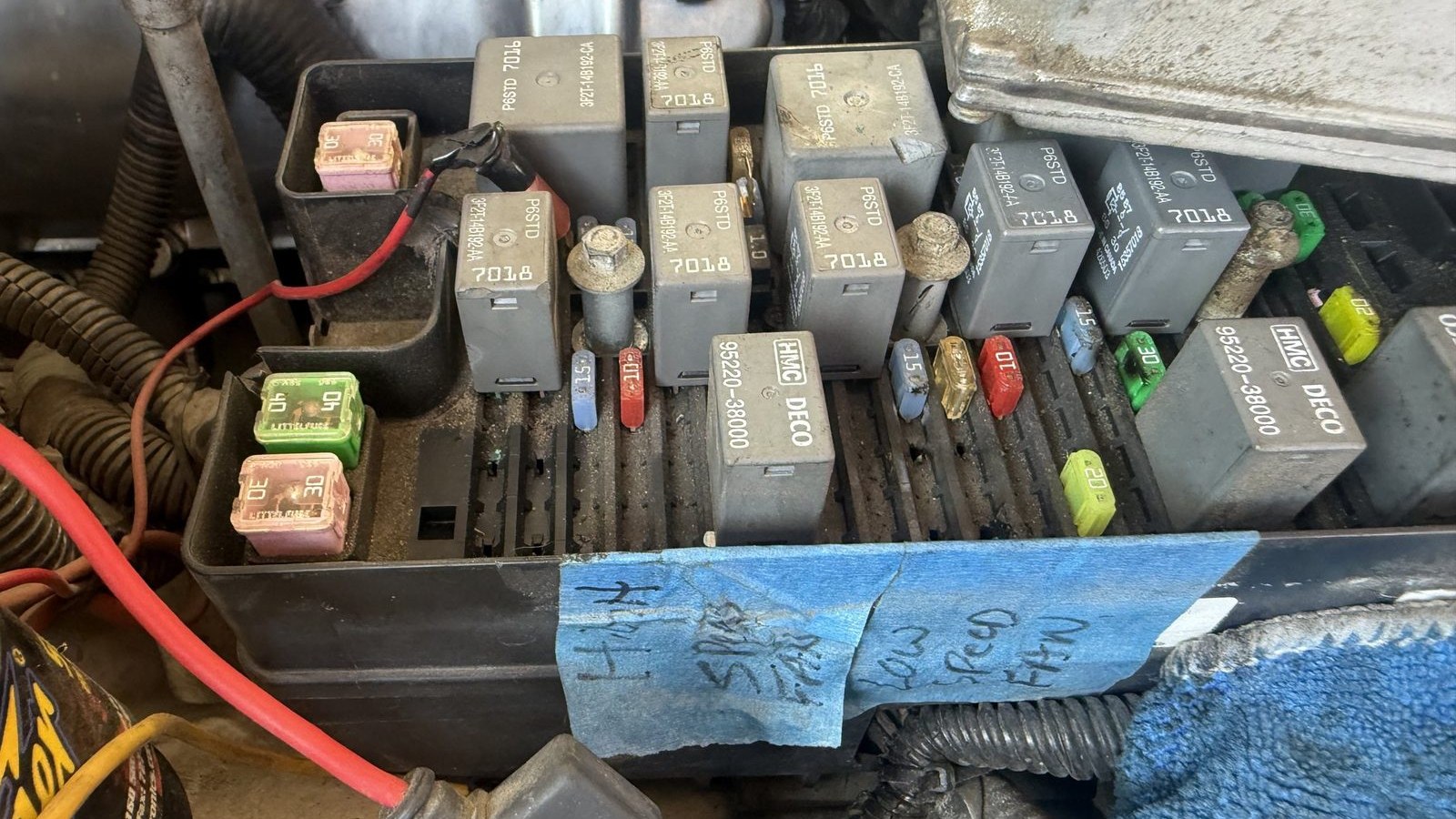
 Supercanic