The fastest way to reach us is by calling or texting +17372941274. Tell us what the car is doing, where it's sitting, and we'll take it from there. You don't need to diagnose anything yourself. Just describe what you're seeing or hearing in plain words, a noise, a warning light, a car that won't turn over. We've heard it all before and we know how to ask the right follow-up questions to narrow things down. Whether you're dealing with a car that died in a parking lot or one that's been making a weird sound for a week, reaching out is the first step. We work on cars parked at houses, apartment lots, and workplaces all over the area, so wherever your car is, that's where we start.
After you reach out, we'll ask a few questions about the symptoms, like whether it's brakes grinding, a no-start, or something with the suspension. A grinding sound usually means worn pads metal on metal. A no-start could be the battery, the starter, or something electrical further down the line. Suspension trouble often shows up as a clunk over bumps or a car that pulls to one side. These details matter because they shape what tools and parts we bring with us. We're not guessing when we show up, we're prepared based on what you've told us. That's part of why the conversation upfront is worth taking a few extra minutes on, even if you're not sure exactly what's wrong.
Have your car's year, make, and model ready, along with its general location, whether that's a driveway in Kyle or a lot in one of the nearby towns. We cover a good stretch of the area, from Buda and San Marcos to smaller spots like Uhland, Niederwald, Creedmoor, Mountain City, and Hays. Knowing where the car sits helps us plan the visit properly. The more specific you can be about the symptom, the better. Does it only happen when the engine's cold. Does the noise show up turning left but not right. Small details like that can point us toward the actual problem faster than a vague description ever could, and they help us bring the right parts the first time.
Once we have the details, we'll talk through what the visit will involve before anything starts. You'll know what we're checking and why before we touch the car. This isn't about surprising you with a long list of repairs once we've already got tools out. It's about walking through our thinking with you, explaining what the symptom usually points to, and what we'll check first to confirm it. If it turns into something bigger than expected, we'll tell you that too, before moving forward. A car is a big investment and most people want to understand what's actually wrong with it, not just be told to trust the process. We'd rather explain it plainly and let you ask questions.
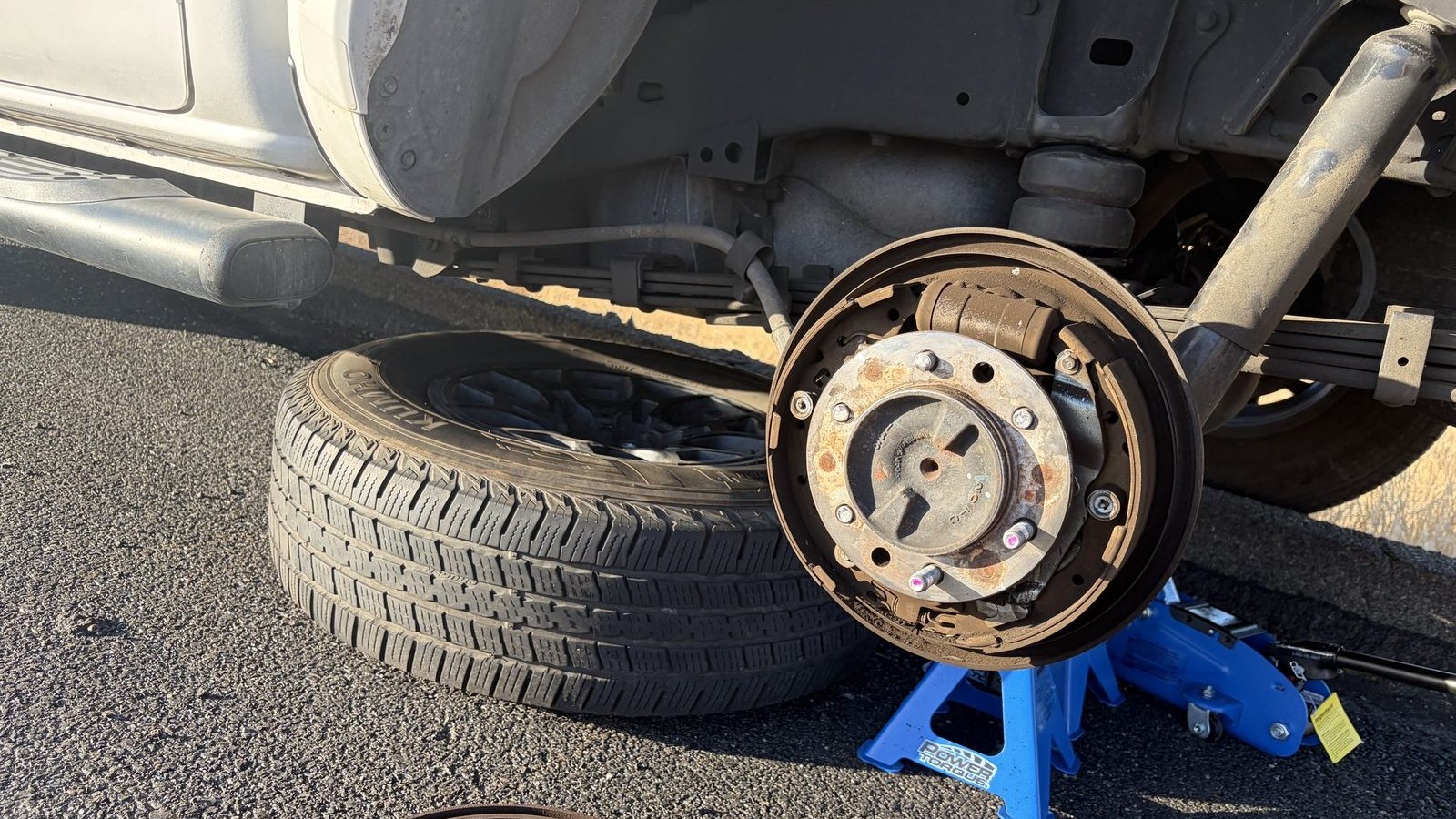
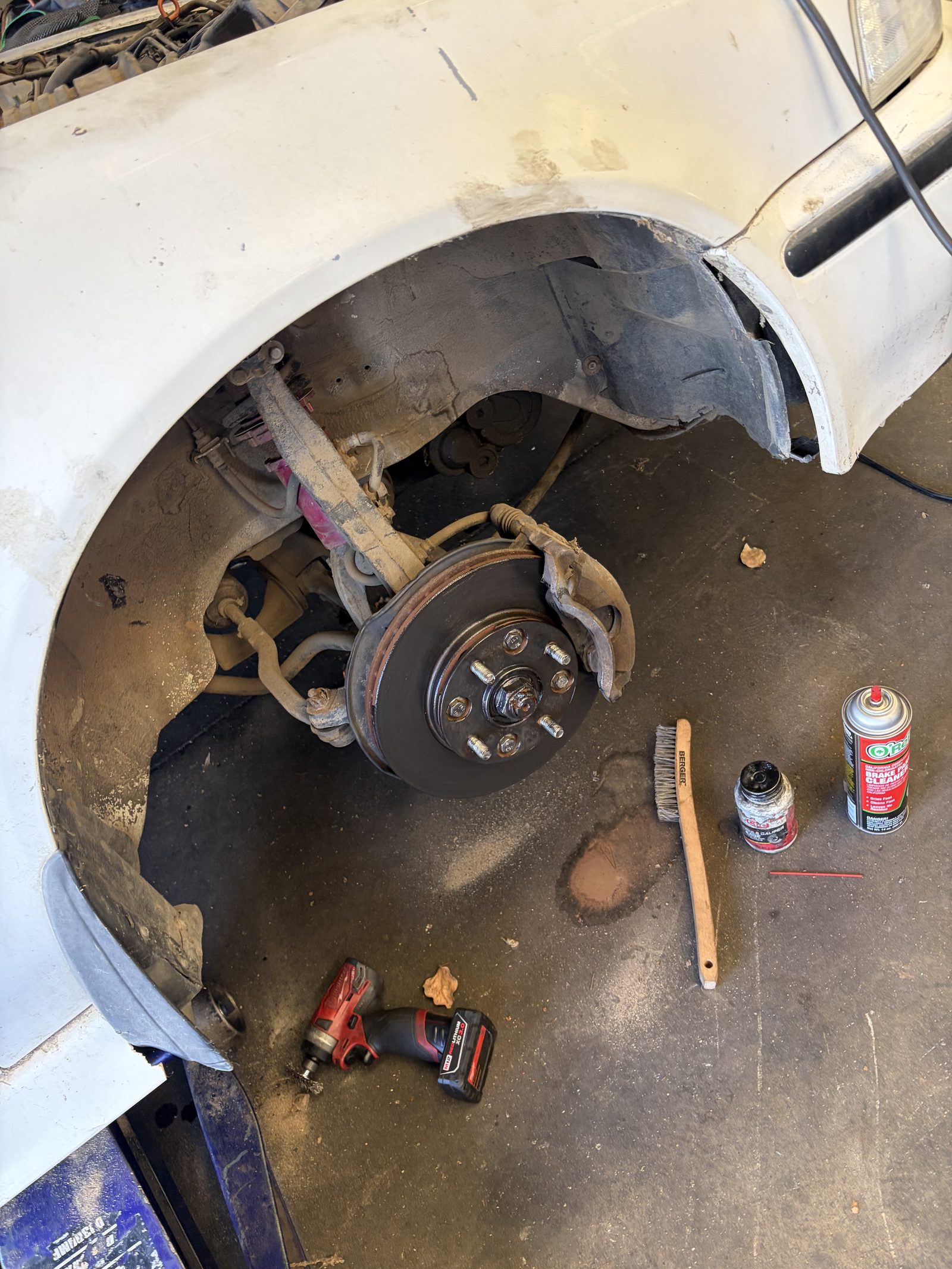
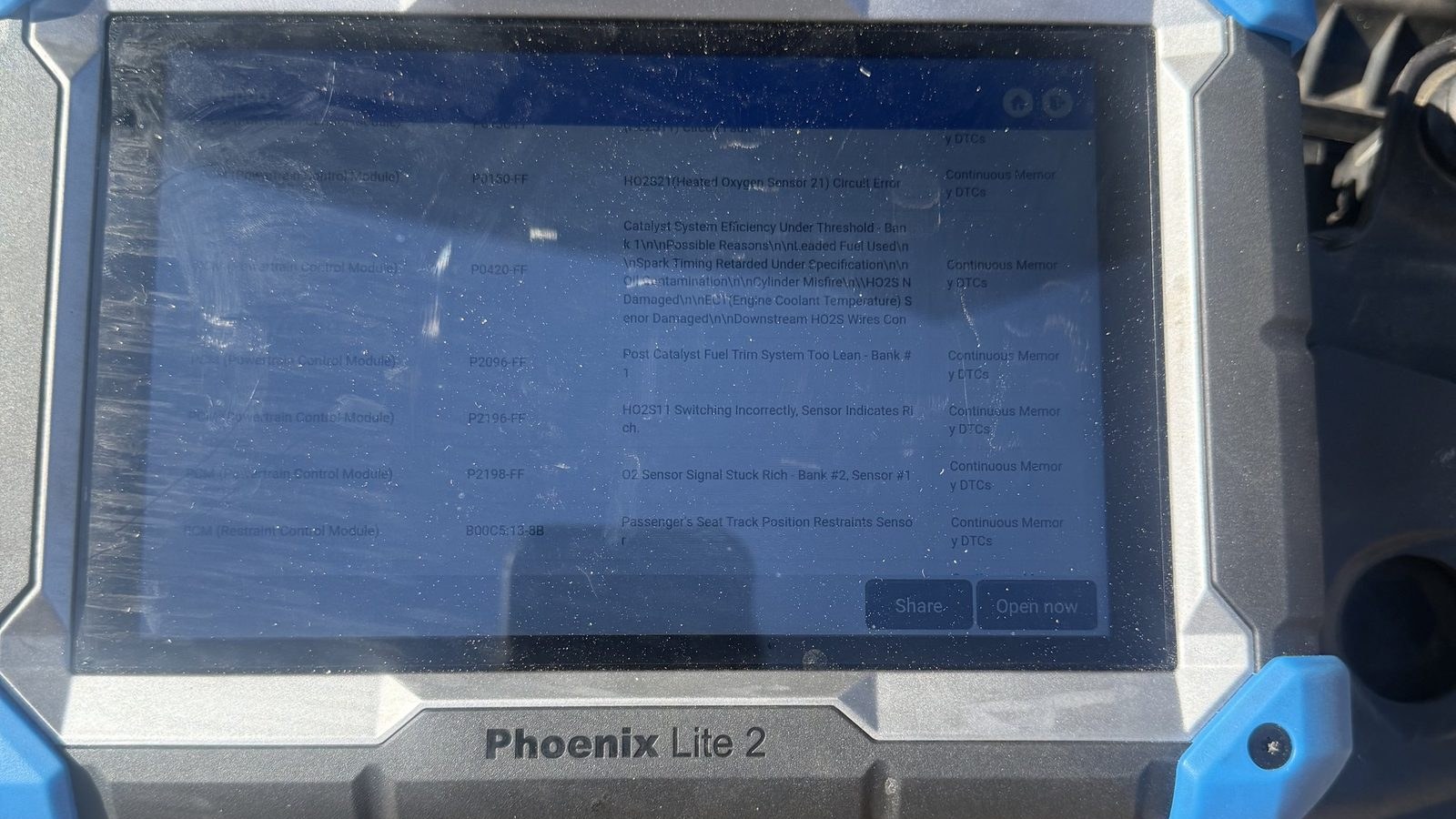
On the day, expect us to show up, run diagnostics on the issue you described, and walk you through what we find. Diagnostics isn't just plugging in a code reader, though that's often part of it. It's checking the parts connected to the symptom, testing what can be tested on site, and ruling things out methodically. If it's electrical, we trace the circuit. If it's mechanical, we inspect the parts under load or while driving if safe to do so. From there we get to work on the actual repair, right where the car is parked, whether that's a brake job, chasing down a no-start, or addressing worn suspension components that are affecting how the car handles.
Working on the car where it sits means you're not stuck figuring out a tow truck or asking a friend for a ride to drop it off somewhere. We bring what the job needs out to Kyle and the surrounding towns, and we treat your driveway or parking spot like a shop bay for the time we're there. If something during the repair reveals a second issue we didn't expect, we'll stop and explain it before adding anything to the work. The goal through all of this, from that first phone call to the last bolt tightened, is making sure you understand what's happening to your car and why, instead of just hearing that it's fixed.
What to Send Us
- Year, make, and model
- What the car is doing, like clicking or grinding
- Where the car is located
- When the problem started
- Any recent repairs or warning lights
 Supercanic