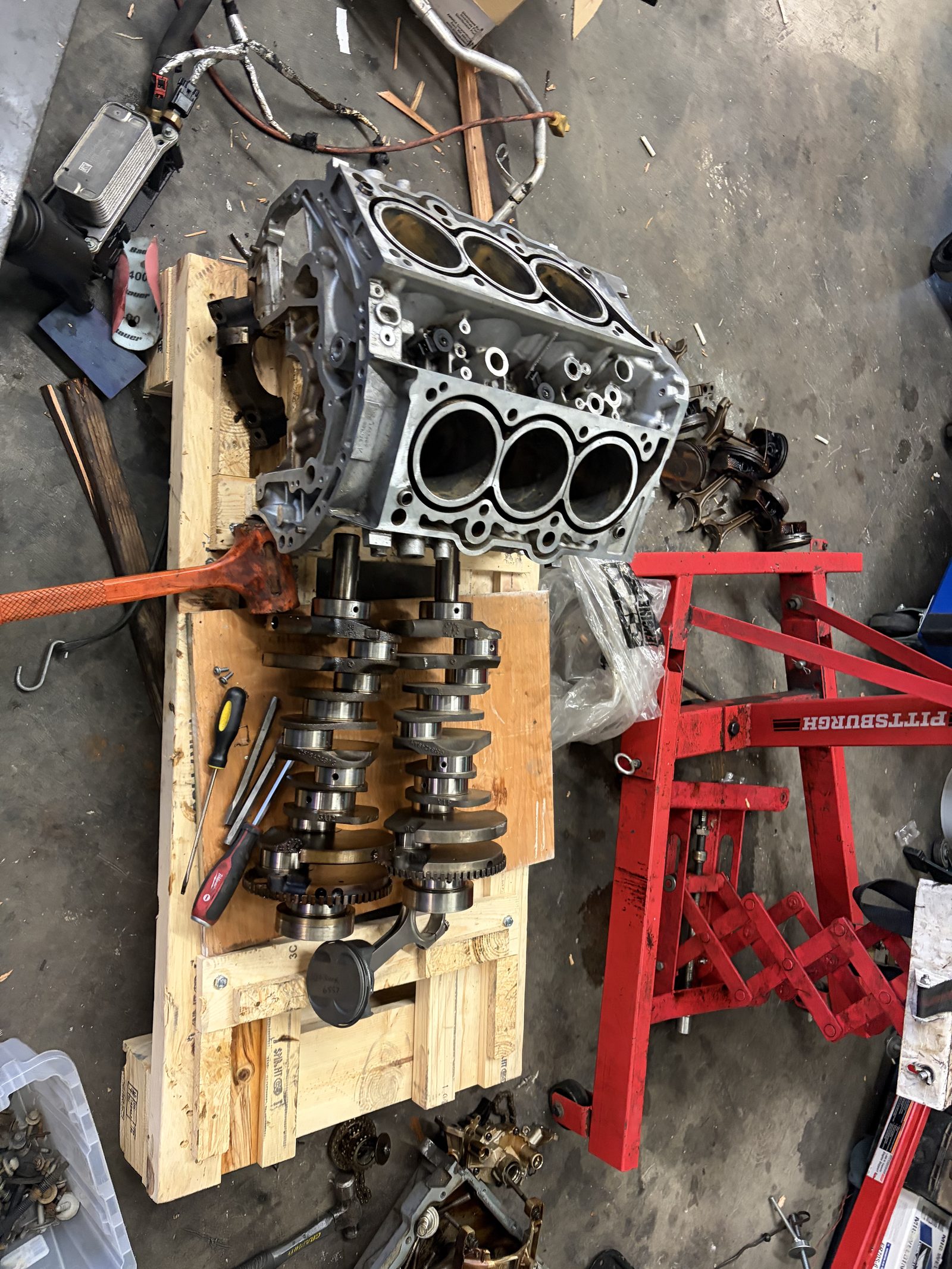
Modern cars run on a network of sensors and computers that watch everything from engine temperature to fuel mix to transmission shifting. When something falls outside normal range, the computer logs a code and usually lights up the dash. That light is a starting point, not an answer, since one code can point to several different causes depending on the car, the mileage, and what else is going on under the hood. Our diagnostics work in Kyle starts with taking that code seriously but not treating it as the final word. A code tells you where to look. It does not tell you what part is actually bad or why it failed. That part takes some real checking before anyone touches a wrench to the car.
Signs You Need a Diagnostic Check
- Check engine light is on, steady or flashing
- Car runs rough or hesitates when you accelerate
- Strange noise you cannot place, tapping or whining
- Dashboard warning light you have not seen before
- Worse gas mileage than normal
- Car stalls or idles rough at stoplights
Drivers usually notice something is off before the light even comes on. Rough idle, hesitation when you press the gas, a sudden drop in fuel mileage, or a noise that was not there last week are all signs worth paying attention to. Sometimes it is just the check engine light with no other symptom at all, which still means something is worth checking before it turns into a bigger issue. We hear from drivers all over Kyle and out toward Buda and San Marcos describing these small changes, and most of the time they turn out to matter. A car rarely breaks down with zero warning. The warning is usually there, it just does not always look like an emergency at first.
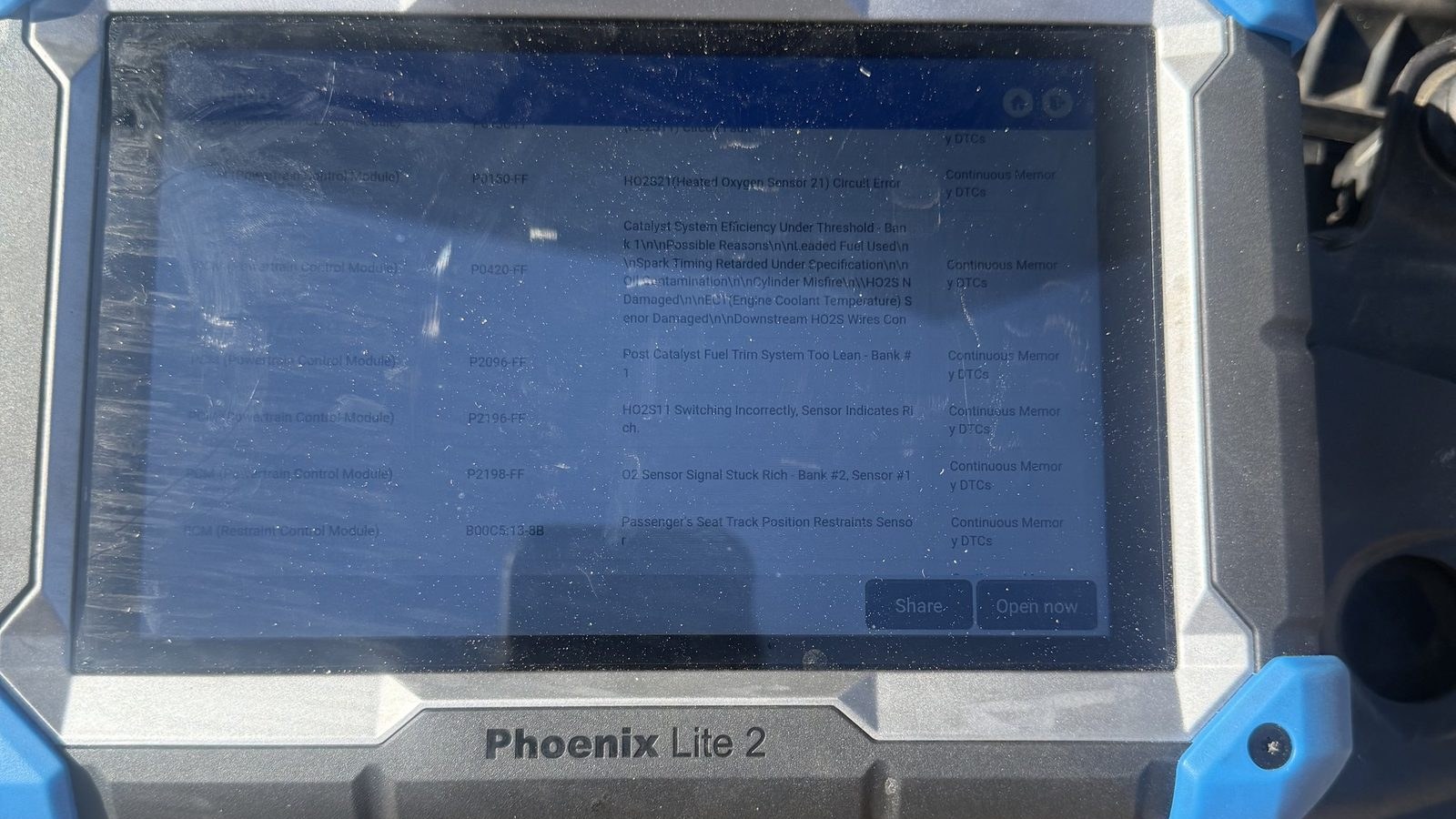
We hook up a scan tool to read the codes stored in the car's computer, then we look at freeze frame data to see what the car was doing the moment the code set, things like engine load, coolant temperature, and road speed. Codes point us in a direction, they do not replace actually checking the part. We follow up with a visual inspection, testing wires and connectors, and checking sensor readings against what they should be at idle and under load. This is where a lot of guesswork gets ruled out. A code for a misfire might trace back to a bad coil, a fouled plug, or a vacuum leak, and only hands on testing tells us which one it actually is for your specific car.
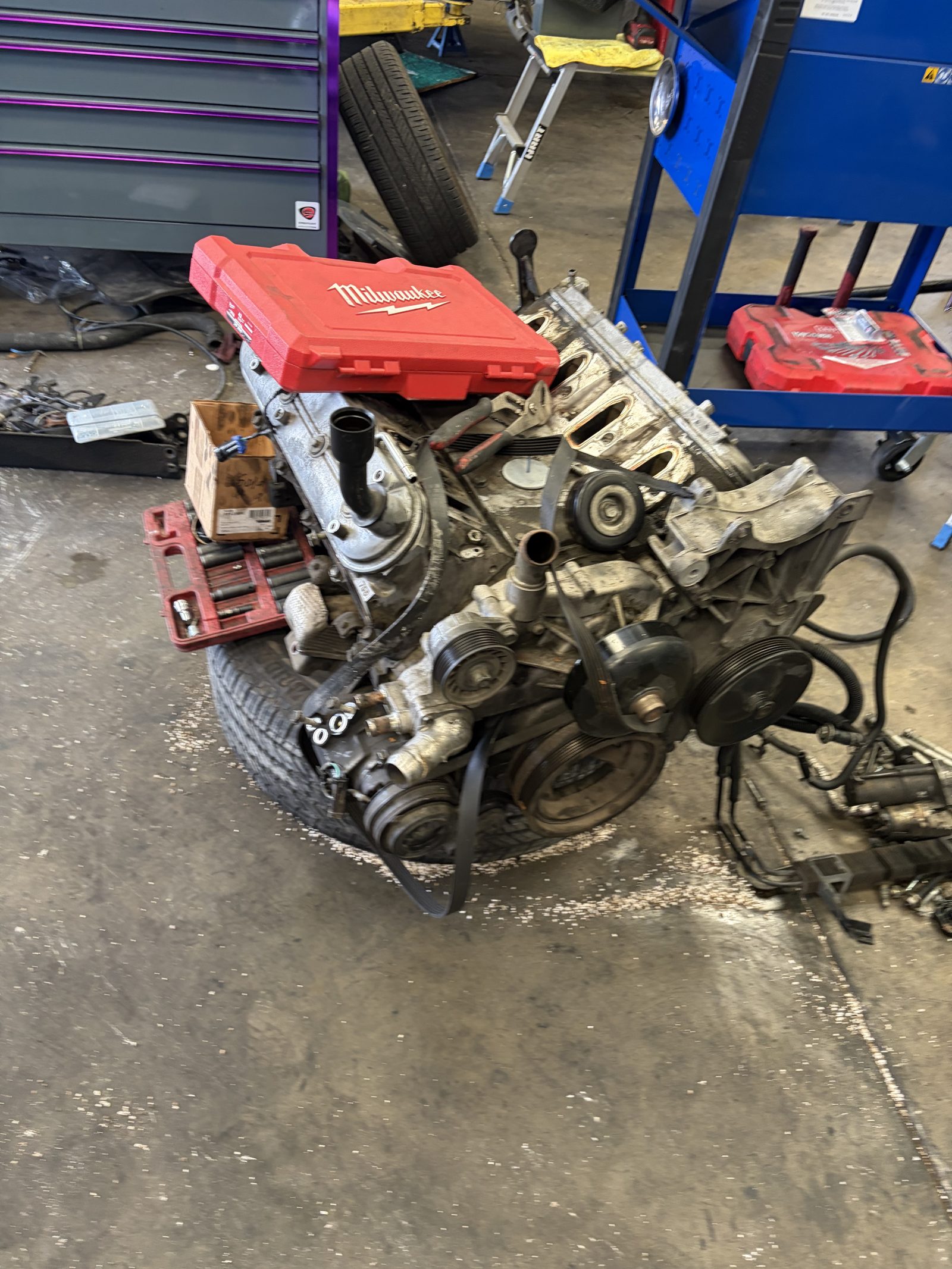
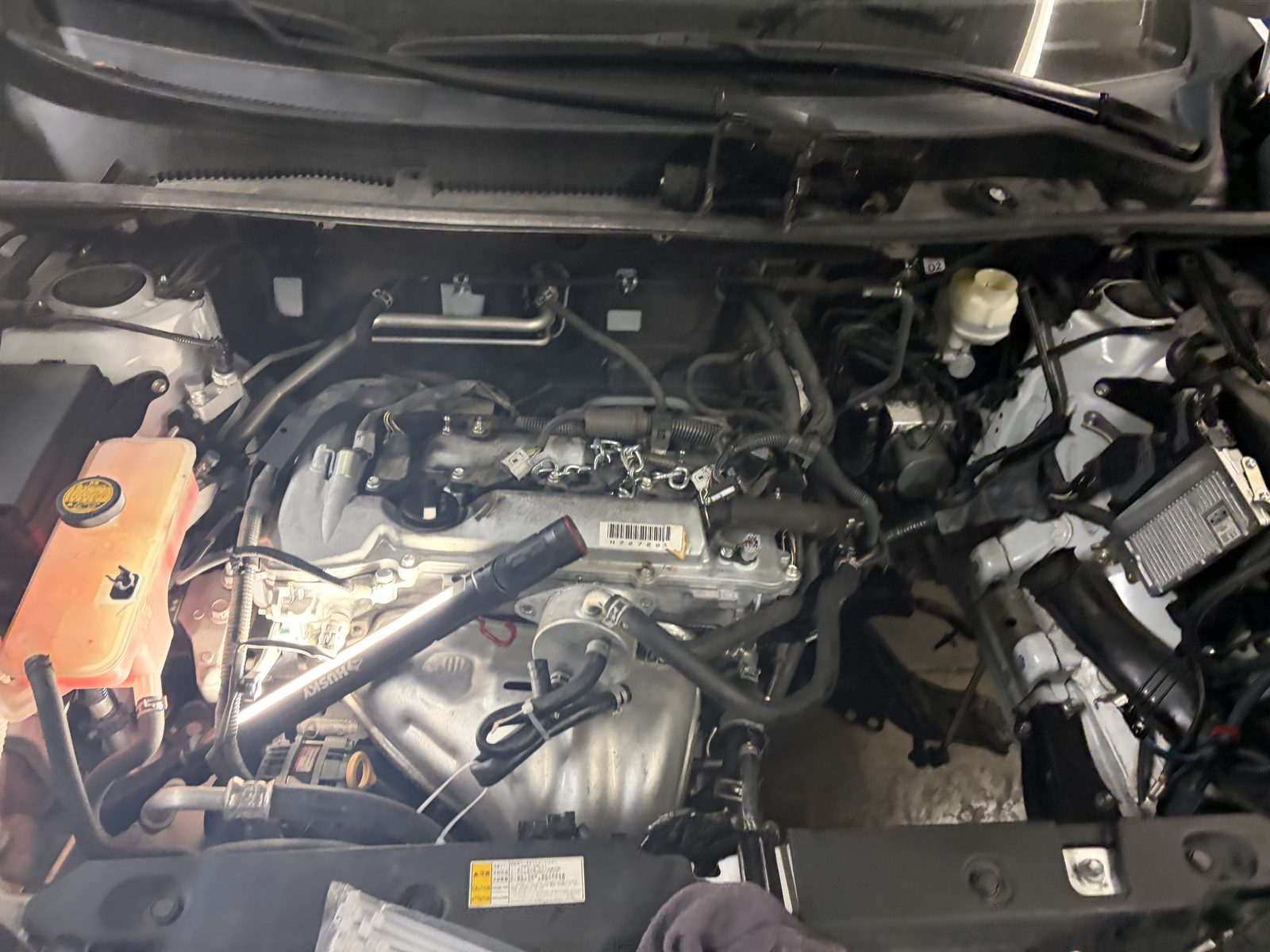
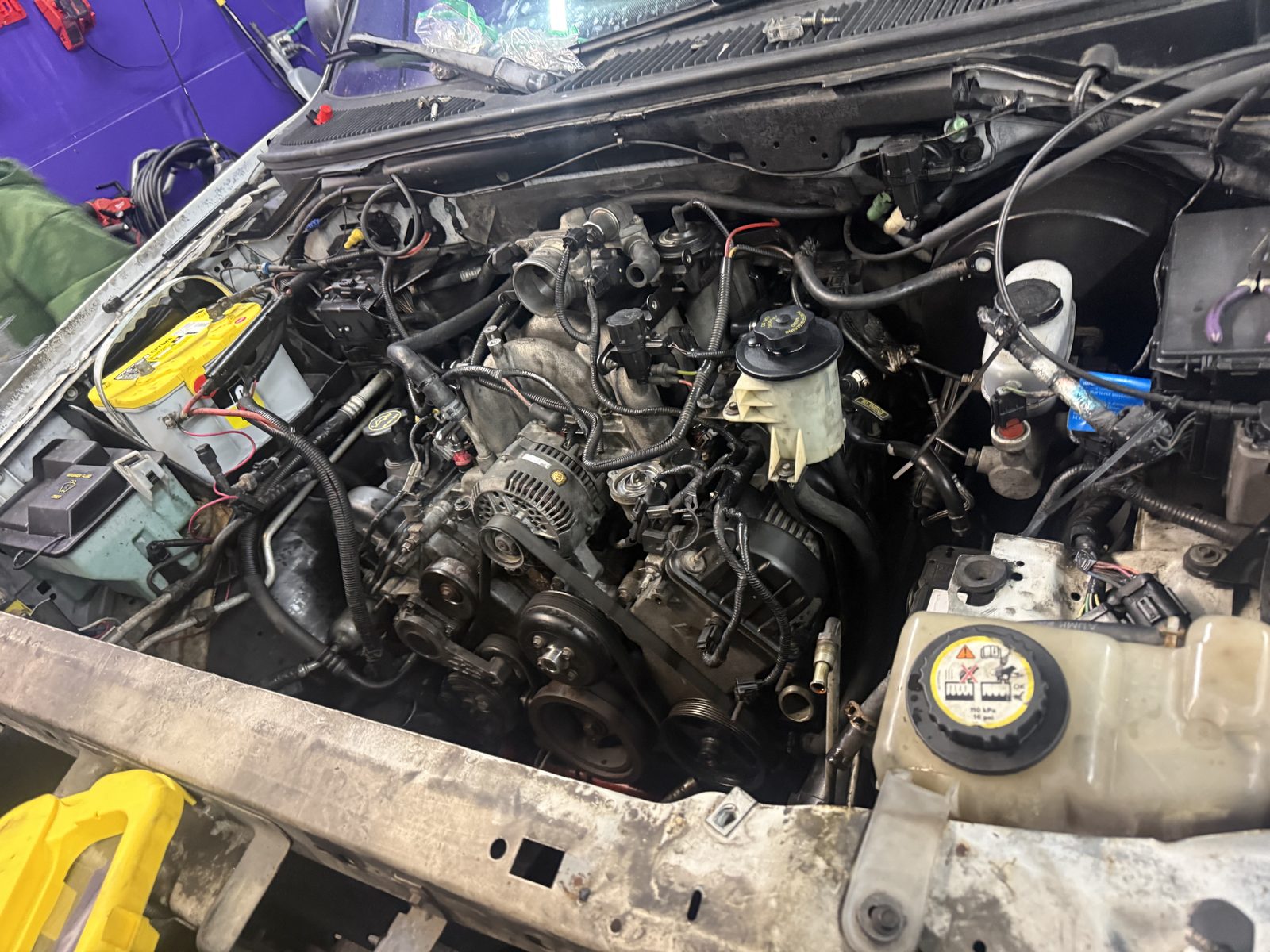
Once we know what is actually failing, we walk you through what the repair involves and what it will take to fix it. Sometimes it is small, like a loose gas cap triggering an evap code, something that costs nothing to fix once you know that is the cause. Sometimes it points to a sensor, a vacuum leak, or an ignition issue that needs a part replaced. We explain what the code means for your specific car instead of just handing you a code number and sending you on your way. Knowing the code name does not help much if you do not know what it means for how your car runs, what happens if it is ignored, and what the next step actually looks like.
What changes the size of a diagnostic job is how many systems are involved and how intermittent the problem is. A code that shows up every time the car runs is easier to chase than one that only happens occasionally under specific conditions, like cold mornings or highway speeds. Multiple codes at once can mean one root cause affecting several systems, or it can mean several separate issues that happen to show up together. Sorting out which one it is takes more time and more careful testing. This is normal for older cars with more miles on them, where more than one part can be wearing out at the same time, and it is part of why two cars with the same code can need completely different repairs.
A no-start situation is one of the more stressful versions of this, because the car will not move until the problem is found. Clicking but not cranking, cranking but not starting, or nothing at all when you turn the key all point to different parts of the system, from the battery and starter to the fuel delivery and ignition. We trace through the electrical and fuel systems step by step to find where the chain breaks down. This kind of problem often shows up without warning, which is part of why having someone come look at the car where it sits, whether that is in a driveway in Hays or a parking lot in Creedmoor, matters more than it does for a car that is still drivable.
If your check engine light is flashing instead of steady, that usually means stop driving and get it looked at soon, since a flashing light often means an active engine misfire that can cause damage to the catalytic converter and other parts if the car keeps running. A steady light is less urgent but still worth getting checked before small issues turn into expensive ones. We work with drivers across Kyle, Mountain City, Uhland, and Niederwald who are trying to figure out whether a warning light means pull over now or just get it looked at this week. Knowing the difference between the two, and what is actually happening inside the engine, is most of what good diagnostics comes down to.
What to Tell Us When You Call
- Year, make, and model of the vehicle
- Whether the check engine light is steady or flashing
- Any noise, smell, or performance change you noticed
- Where the car is located for us to come to you
 Supercanic