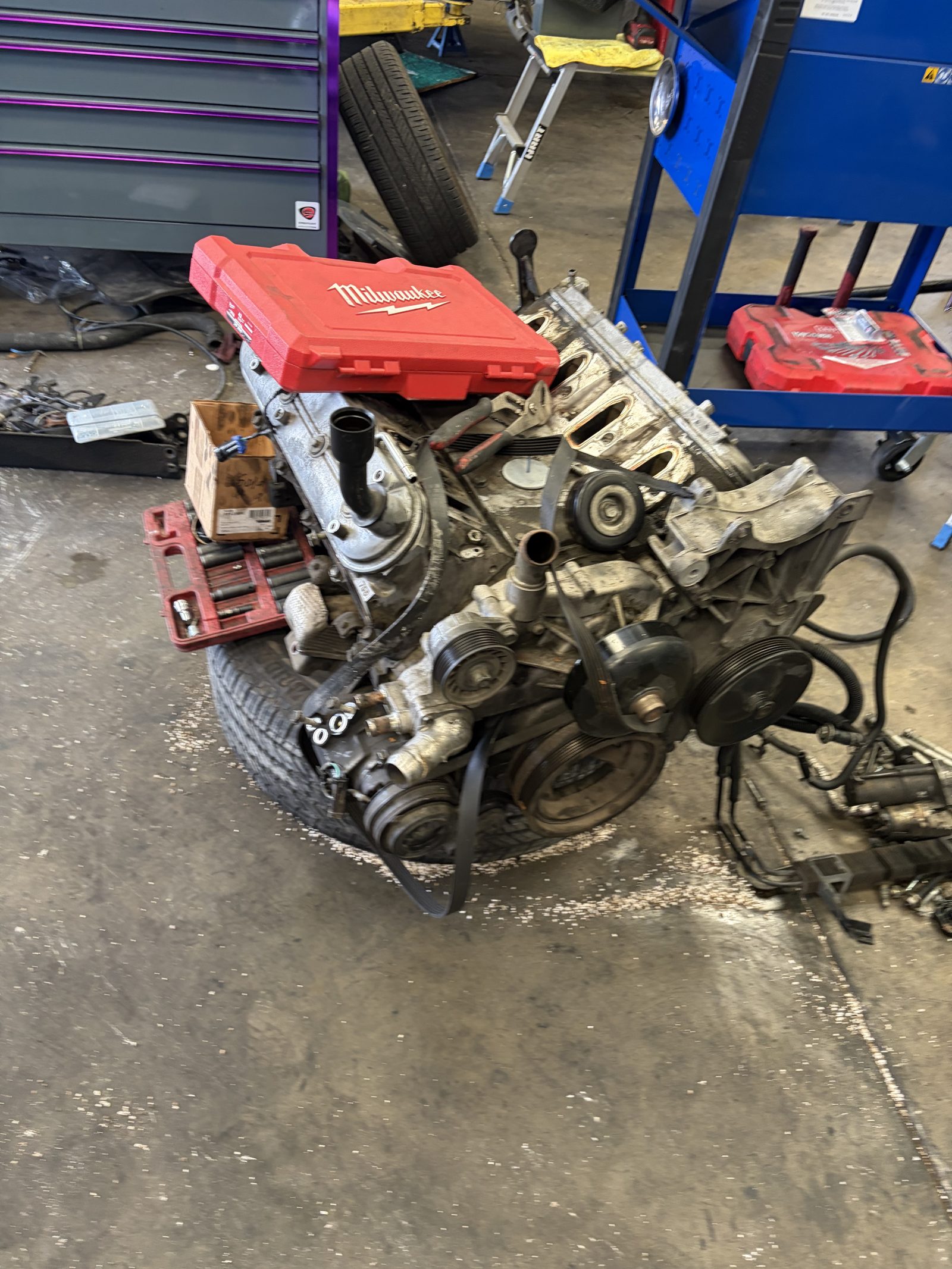
A car needs three basic things to start: battery power to turn the starter, fuel getting to the engine, and spark to ignite it. When you deal with a no-start in Kyle, it almost always comes down to one of those three dropping out. Batteries die from age, a bad alternator that quietly stops charging them, or just sitting unused too long in the driveway. Starters wear out after years of turning over the engine, the internal parts just give out. Fuel pumps and ignition components fail too, relays, crank sensors, coils, but it happens far less often than a simple dead battery. Knowing which of the three systems quit is the whole game, and that is where we start every no-start call we get from Kyle out to Buda and San Marcos.
Signs Before a No-Start
- Clicking sound when you turn the key
- Engine cranks but never catches
- Dash lights are dim or do not come on at all
- Car started slow or rough the last few times
- Dashboard lights flicker when you try to start it
- Complete silence, nothing happens at all
The sound your car makes when you turn the key tells us a lot before we even open the hood. A single click usually points to the starter itself or a loose or corroded connection feeding it power. Rapid, repeated clicking almost always means the battery is too weak to turn the engine over, even though it has enough juice to try. Cranking that just spins with no start at all can mean the engine is not getting fuel or spark, two different problems with the same symptom. Total silence, no lights, no sound, no click, usually points to a dead battery or a bad connection at the terminals. We ask about this sound on the phone because it shapes what we bring on the truck.
We start every diagnostics visit by checking battery voltage and the condition of the terminals and cables, since that is the most common cause of a no-start by a wide margin. Corrosion on a terminal or a loose cable can mimic a dead battery even when the battery itself is fine. If the battery checks out good, we move to testing the starter and the charging system next, since a failing alternator will drain even a healthy battery fast. Only after those come back clean do we check fuel delivery and spark. We work in that order on purpose, checking the common stuff first, instead of guessing and swapping parts hoping something fixes it. That order saves time and avoids paying for parts that were never the problem.
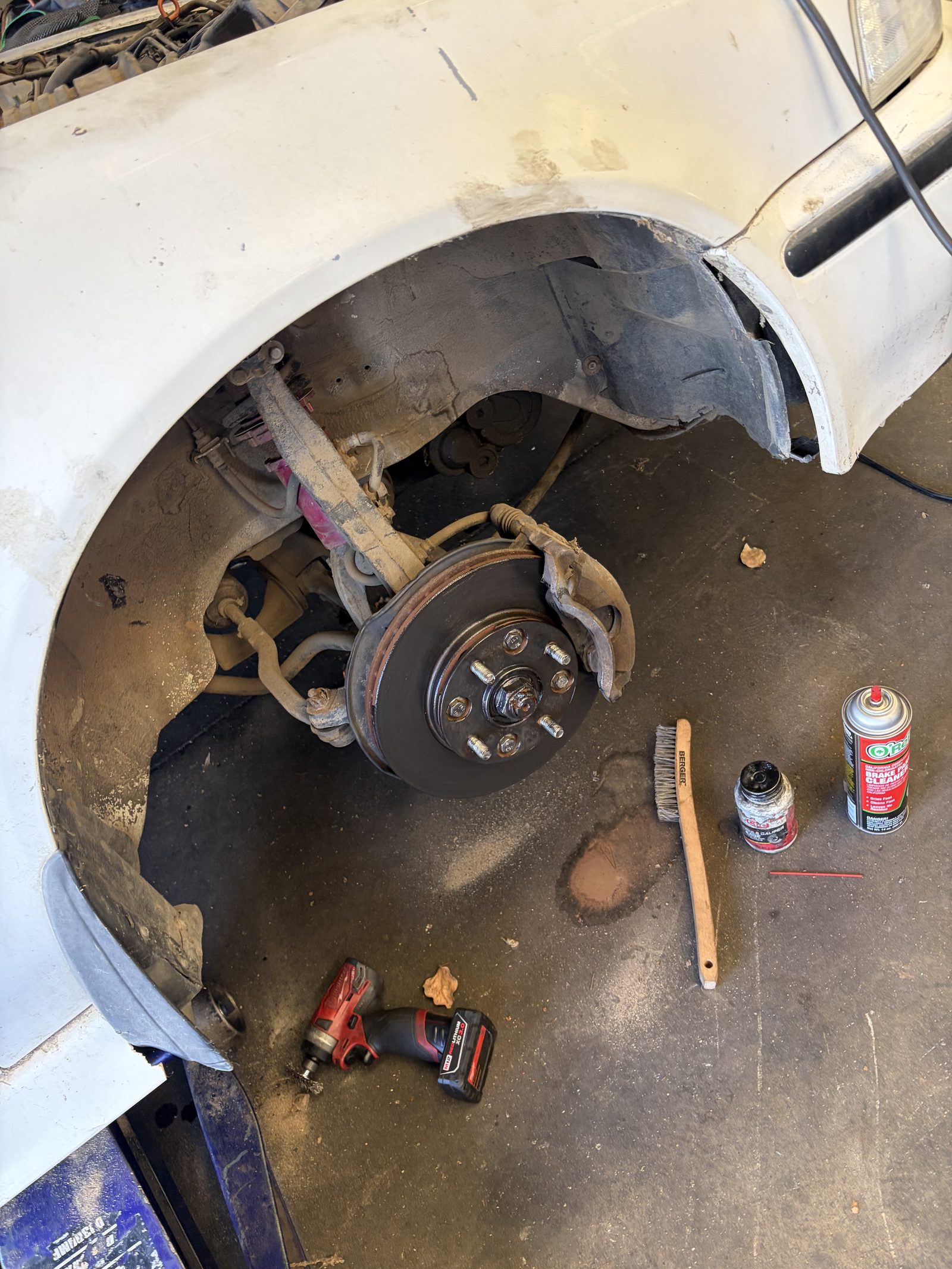
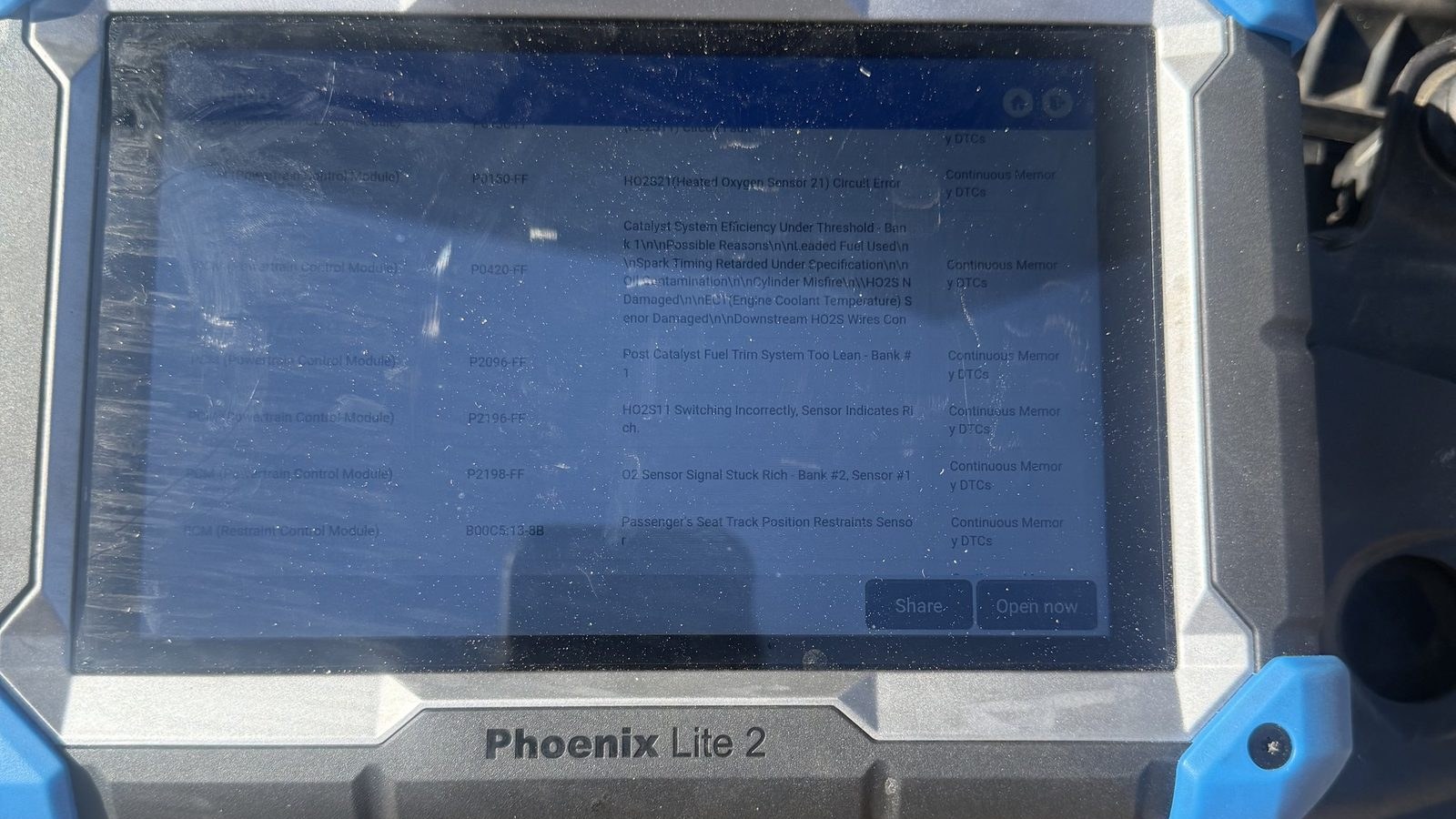
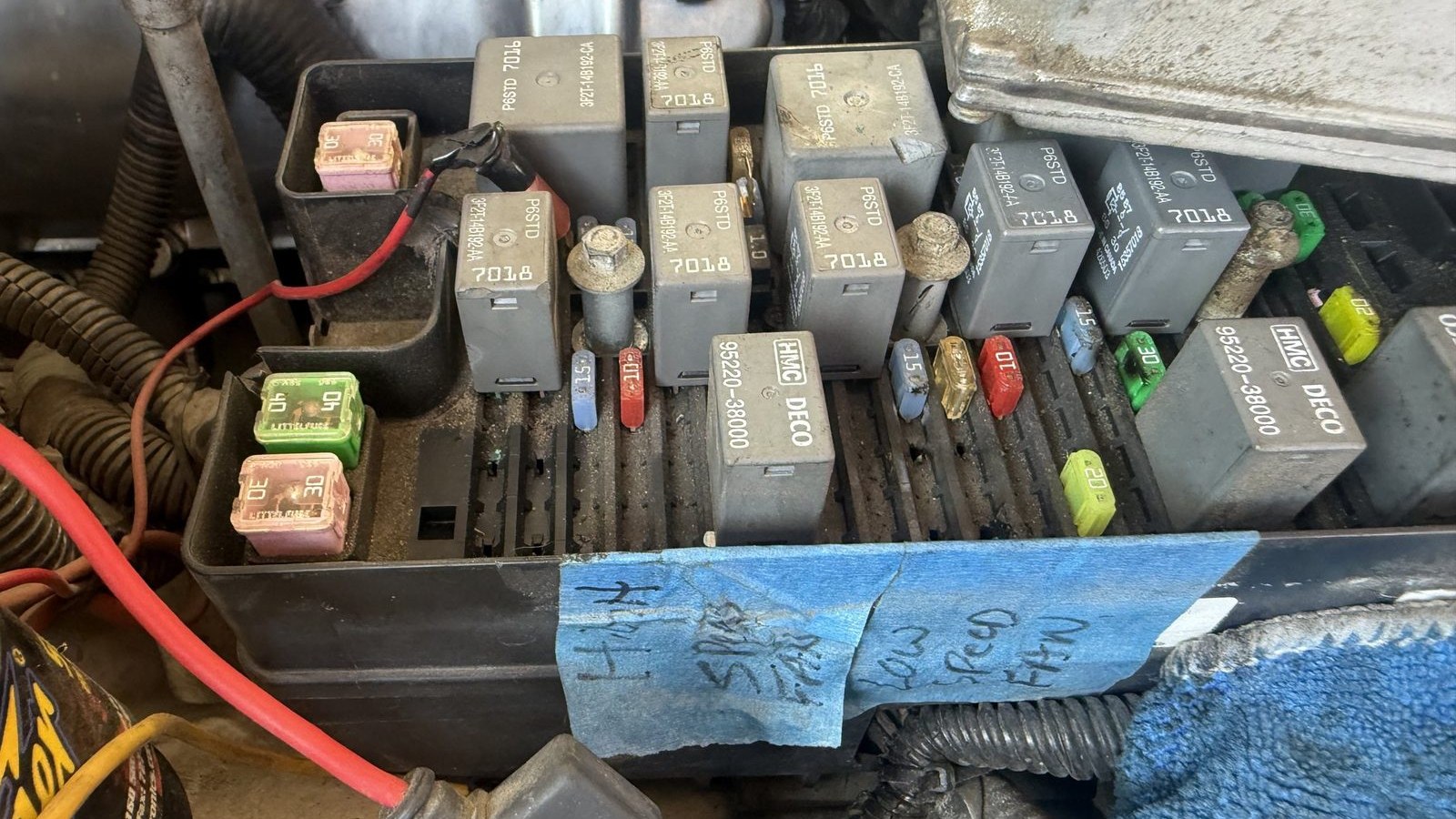
If it turns out to be the battery, the job is a straightforward replacement, but we do not stop there. We check that the charging system is actually putting power back into the new battery, because if the old one died from a bad alternator, a fresh battery will just die again in a week. A bad starter gets pulled and replaced, which takes more time since it is bolted to the engine block and often sits somewhere hard to reach. Fuel or ignition issues take more diagnostic work up front, since there are more parts in that chain, pumps, sensors, coils, relays, and we need to find the one that actually failed before anything gets replaced. Replacing the wrong part never fixes a no-start, it just costs you twice.
What changes the size of the job is what is actually causing the no-start, not the fact that the car will not start. A battery swap is quick, simple work once we confirm that is really the problem. A starter replacement takes longer depending on the car, some are easy to reach and some are buried behind other components, which adds time. If the cause turns out to be electrical, like a bad ground strap or a wiring issue hiding somewhere in the harness, that takes more time to trace down than swapping a part ever would. Electrical faults can be intermittent too, working fine one minute and failing the next, which makes them the hardest kind of no-start to pin down fast.
If your car will not start, try not to keep cranking it over and over. Repeated cranking can drain the battery even further if it is already weak, and it can overheat the starter if that is the part on its way out. Turn the key off, give it a minute to rest, and pay attention to what happened right before it died, dim lights, a smell, a recent jump start that did not hold. That information matters more than people expect. Call us with what you heard or saw, clicking, total silence, dim dash lights, slow crank, so we know what to bring out to you and do not waste a trip guessing with the wrong parts on the truck.
We cover Kyle and the surrounding area for this kind of call, including Mountain City, Buda, Uhland, Niederwald, Hays, San Marcos, and Creedmoor. A no-start rarely happens at a convenient time or place, it tends to show up in a parking lot or driveway right when you need the car most. Since we come to you, you do not need to figure out how to get a dead car to a shop in the first place, which is usually the hardest part of the whole situation. We bring the tools to test the battery, starter, charging system, and ignition components on site, so the diagnosis happens where the car already sits. From there we talk through what we found and what it takes to get the car running again.
What to Tell Us When You Call
- Year, make, and model of the car
- What sound it made when you turned the key
- Whether dash lights came on at all
- Exact location of the vehicle in Kyle or a nearby town
 Supercanic